

Why Some Smokers Get Cancer While Others Don’t, New Study Reveals
Why Some Smokers Get Cancer has puzzled scientists for decades. A new study suggests genetics and DNA repair may explain why some smokers develop cancer while others do not.
Researchers stress that smoking remains the leading preventable cause of cancer. However, each person’s body responds differently to tobacco smoke.
Genetics May Explain Why Some Smokers Get Cancer
The Why Some Smokers Get Cancer study found that some people repair damaged DNA more effectively than others.
Cigarette smoke contains chemicals that damage healthy cells. Strong DNA repair systems can fix some of this damage before it becomes dangerous.
People with weaker repair systems may accumulate harmful mutations more quickly.
Smoking Still Greatly Raises Cancer Risk
Researchers made one point very clear. No one is immune to the dangers of smoking.
Even people with stronger genetic protection face a much higher risk of lung cancer, heart disease, stroke, and other serious illnesses.
Doctors continue to advise smokers to quit as early as possible.
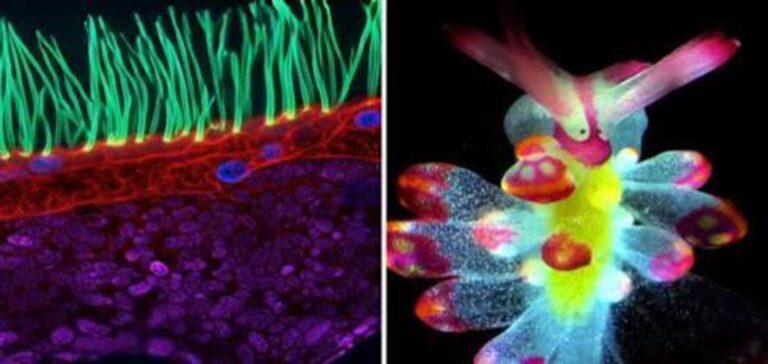
Scientists Studied DNA Damage
Researchers examined how human cells reacted after repeated exposure to tobacco smoke.
They found clear differences between participants.
Some repaired damaged DNA efficiently. Others accumulated mutations much faster.
Those mutations can eventually lead to cancer.
Lifestyle Also Affects Cancer Risk
The Why Some Smokers Get Cancer research shows genetics is only one factor.
Smoking for many years, smoking heavily, poor diet, alcohol use, air pollution, and existing health conditions also increase cancer risk.
These factors often work together rather than independently.
Better Screening Could Save Lives
Scientists believe these findings may improve cancer screening in the future.
Doctors may eventually combine genetic testing with routine health checks to identify people at greater risk.
Earlier detection could improve treatment and survival rates.
The Why Some Smokers Get Cancer study offers new insight into how genetics influences cancer risk.
However, experts emphasize one important message. Quitting smoking remains the best way to reduce the risk of cancer and many other life-threatening diseases.