
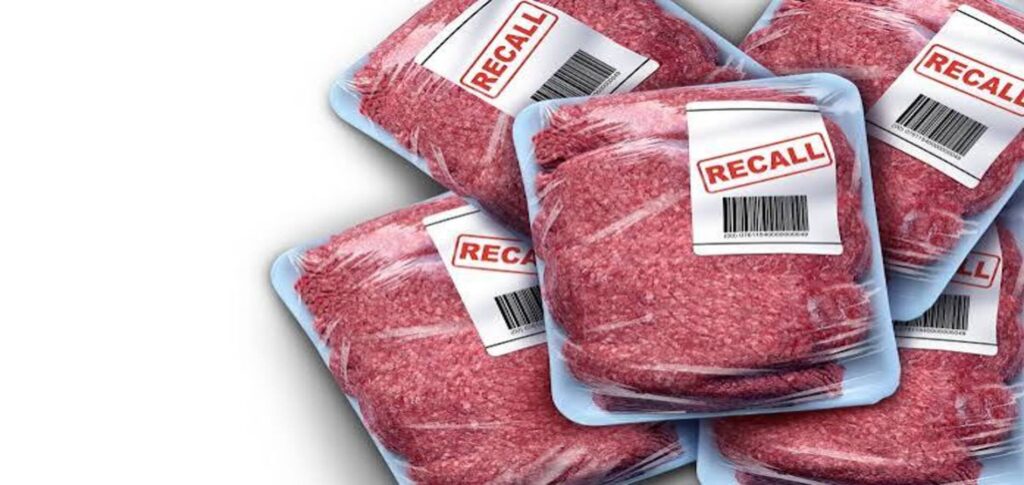
A major beef recall in US markets involves nearly 30,000 pounds of raw beef imported from Argentina. Federal food safety officials issued a high-priority recall after discovering that the shipment bypassed mandatory U.S. Department of Agriculture (USDA) reinspection requirements.
Corte Argentino USA LLC of Aventura, Florida, initiated the recall. The affected beef includes several boneless cuts that reached wholesalers and retailers in Florida and Texas.
The Food Safety and Inspection Service (FSIS) discovered the issue during routine audits of inspection records.
Which Beef Products Are Recalled?
The recalled products came from Argentine establishment Frigorífico Gorina SAIC.
Officials said the affected shipments left Argentina between May 15 and May 20, 2026. The products carry use-or-freeze-by dates ranging from September 15 through September 20, 2026.
Consumers and businesses should check the following details:
- Establishment number: EST. N OF. 2025
- Shipping mark: 26644-AA
- Product type: Raw, boneless beef
- Distribution: Florida and Texas
Affected Beef Cuts
The beef recall in US covers several cuts. Consumers should check their packaging carefully.
The affected products include:
- Top Sirloin Butt — Cuadril Sin Tapa
- Eye Round — Peceto
- Topside Cap Off — Nalga AD S/Tapa
- Flat — Carnaza Cuadrada
- Knuckle — Bola de Lomo
Consumers who find matching products should avoid using them.
Why Did USDA Recall the Beef?
Imported meat must pass several federal inspection and clearance procedures before entering the U.S. market.
The process involves agencies including U.S. Customs and Border Protection and the Animal and Plant Health Inspection Service. Imported meat must then undergo FSIS inspection at an approved import inspection facility.
These inspections help officials verify documentation, packaging and labeling. They also help identify potential biological or physical hazards.
In this case, the shipment bypassed the required USDA reinspection process.
As a result, officials determined that the affected beef should not remain in commercial distribution.
No Illnesses Reported So Far
Officials have not reported any illnesses or adverse health effects linked to the recalled beef.
Nevertheless, consumers should take the recall seriously.
The absence of reported illnesses does not mean the affected products are safe to eat. The recall exists because the beef did not complete the required federal inspection process.
What Should Consumers Do?
If you recently purchased imported beef, check your refrigerator and freezer.
Look for the establishment number, shipping mark and use-or-freeze-by dates listed in the recall information.
If your product matches the recalled items, do not eat it.
Instead, place the beef in a sealed bag and dispose of it safely. You can also contact the retailer about returning the product.
Contact a Doctor If You Are Concerned
Anyone who believes they became sick after eating the recalled beef should contact a healthcare professional.
Consumers should also monitor official food safety updates for any additional information about the recall.
For now, the beef recall in US affects products distributed in Florida and Texas, with no reported illnesses connected to the recalled shipment.
Important: This recall concerns a failure to complete mandatory USDA reinspection. It does not mean that officials have confirmed contamination in the beef.