
Canada’s increased defence spending is already strengthening the operational readiness of the Royal Canadian Air Force (RCAF), with pilots spending significantly more time in the air, according to RCAF Commander Lt.-Gen. Jamie Speiser-Blanchet.
Canada’s Defence Spending Delivers Immediate Results for the RCAF
Speaking one year after becoming the first woman to lead the Royal Canadian Air Force, Speiser-Blanchet said the additional funding has had an immediate impact by increasing aircraft availability, spare parts and flight hours across several key fleets.
She explained that more flying time means better-trained crews, improved readiness and stronger coordination with allied forces during international exercises.
Military Modernization Enters a Critical Phase
The RCAF is undergoing one of the biggest modernization efforts in its history. The force is introducing several new aircraft while continuing to operate older fleets, upgrade infrastructure and improve pilot training.
The modernization programme includes:
- New F-35 fighter jets
- Advanced surveillance aircraft
- Search-and-rescue planes
- Air-to-air refuelling tankers
- Five new pilot training fleets
At the same time, the air force is investing heavily in radar systems, cybersecurity and new defence technologies to respond to modern threats, including drones and long-range missiles.
Commander Says Rapid Change Brings New Challenges
Although she supports the modernization programme, Speiser-Blanchet admitted the pace of change remains one of her biggest concerns.
She said the challenge lies in transforming the force while maintaining day-to-day operations, describing it as “rebuilding an aircraft while it’s still flying.”
The commander added that ensuring every decision prepares the RCAF for future threats remains a constant priority.
More Flying Hours Improve Military Readiness
According to the commander, increased funding has directly translated into higher flying hours for aircraft such as:
- CC-130 Hercules
- C-17 Globemaster
- CF-18 Hornet fighter jets
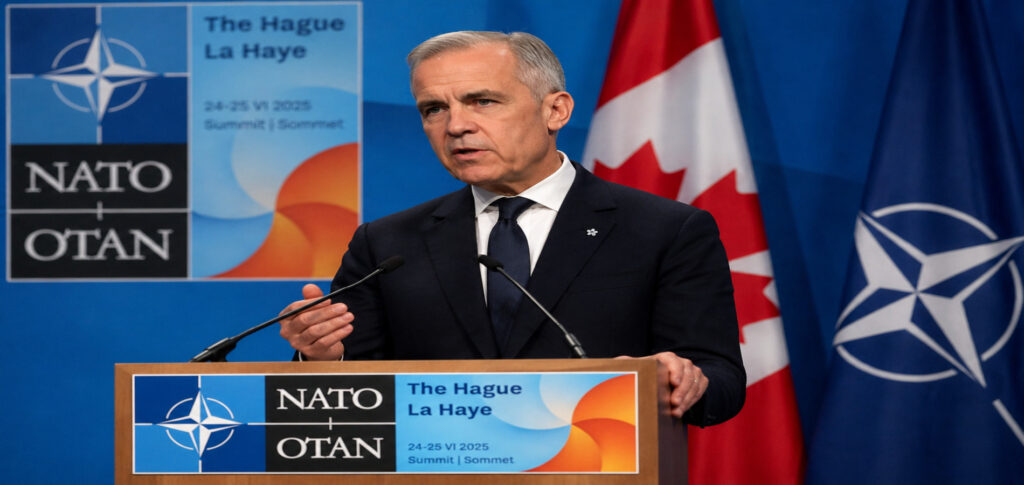
Greater aircraft availability has allowed crews to participate in more training missions and multinational exercises, improving Canada’s overall defence readiness and interoperability with NATO allies.
Recruitment Drive Expands as Air Force Grows
Despite plans to expand, the Royal Canadian Air Force still faces a shortage of approximately 2,000 personnel.
To address the gap, the military has increased salaries, introduced recruitment incentives and is promoting careers beyond pilot positions, including:
- Aerospace telecommunications specialists
- Aircraft maintenance technicians
- Construction engineers
- Airborne sensor operators
- Firefighters
- Security personnel for advanced aircraft and counter-drone systems
The force is also creating entirely new positions focused on space operations and advanced airbase security.
Arrival of F-35 Fighter Jets Marks Major Milestone
Canada is preparing to receive its first F-35 fighter jet later this year at Luke Air Force Base in Arizona, where Canadian personnel have already begun training.
While the federal government continues reviewing the overall F-35 procurement plan, preparations for integrating the aircraft into the RCAF remain on schedule.
Strong Military Cooperation With the United States Continues
Despite political tensions between Ottawa and Washington, Speiser-Blanchet said military cooperation between Canada and the United States remains strong.
She emphasized that NORAD cooperation continues to grow and described the defence partnership as stronger than ever, regardless of broader political disagreements.