

Small businesses across the United States have launched fresh legal challenges against President Donald Trump’s latest round of sweeping tariffs, arguing the new trade measures exceed the administration’s legal authority and could severely impact American businesses.
The lawsuits target tariffs announced on Thursday that impose double-digit duties on imports from 60 trading partners. The Trump administration introduced the measures under Section 301 of the Trade Act of 1974, claiming they are intended to combat imports produced through forced labour.
However, business groups argue the tariffs effectively replace the worldwide tariffs that were struck down earlier this year by the US Supreme Court and could significantly increase costs for importers and consumers.
Two Separate Lawsuits Filed
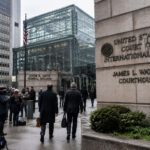
Educational toy manufacturer Learning Resources, which successfully challenged previous Trump tariffs before the Supreme Court, filed one lawsuit alongside several other small businesses in the US Court of International Trade.
A second legal challenge was brought by Burlap and Barrel, a New York-based spice company, and Collective Horology, a California-based watch retailer. The businesses are represented by the Liberty Justice Center, a libertarian legal advocacy organisation.
Both lawsuits argue that the federal government failed to justify the tariffs against each affected country individually, as required under Section 301.
Businesses Question Legal Basis
The plaintiffs contend that while combating forced labour is an important objective, the administration cannot bypass legal requirements when imposing trade restrictions.
Sara Albrecht, chairman and CEO of the Liberty Justice Center, said the government simply replaced one set of global tariffs with another under a different legal provision without addressing the underlying legal issues.
According to the lawsuits, the administration also failed to explain how the new tariffs would effectively eliminate the alleged forced labour practices they are intended to target.
White House Yet to Respond
The White House has not issued an official response to the lawsuits.
Trade experts say the latest legal battle may be more difficult than previous challenges because Section 301 has already been used successfully by the Trump administration to impose tariffs on China during his first term.
Legal experts also believe these tariffs could remain in place for an extended period, even if affected countries adopt policies requested by Washington, as they would still need to demonstrate compliance before any duties are lifted.
The outcome of the court cases could have major implications for US trade policy, international commerce, and thousands of American businesses that rely on imported goods.