
Germany is falling behind on its gas-storage target before winter.
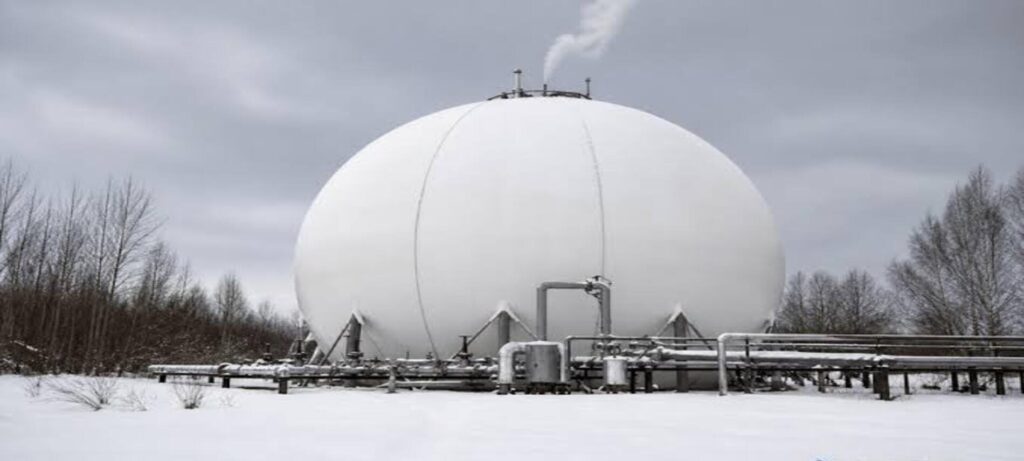
Storage levels remain well below last year’s figures. High gas prices have also reduced the incentive for companies to buy and store more fuel.
Germany’s storage facilities were about 51.5% full on August 25. The figure stood near 69% at the same time last year.
The country must reach an average storage level of 70% by November 1. Current filling rates have raised doubts about whether Germany can meet that target.
Sebastian Heinermann, managing director of the gas-storage association INES, warned about the situation.
He said Germany could miss its legal storage requirements if injections continue at the current pace.
Germany has Europe’s largest gas-storage capacity. Its slow refill therefore affects the wider European energy market.
The Netherlands also faces concerns about its own storage target.
High Gas Prices Slow Storage
High prices have made gas storage less attractive for energy companies.
Normally, suppliers buy gas during the warmer months. They store the fuel and sell it during winter when demand rises.
That business model has become harder this year.
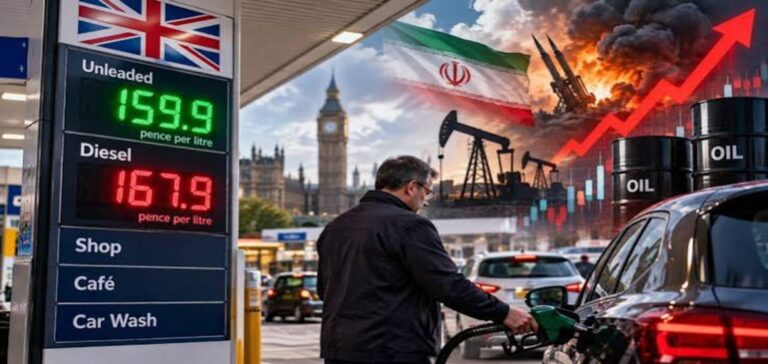
The benchmark Dutch TTF gas contract traded at around €69 per megawatt-hour on Friday. The price stood near €29 at the start of the year.
The war in Iran has pushed up energy prices. Disruptions around the Strait of Hormuz have also affected global gas markets.
Uniper said current market conditions were limiting additional storage injections.
The company said storage spreads had improved. However, they still did not provide enough incentive for major new purchases.
Uniper does not expect an immediate gas shortage in Europe. It also believes Germany could still reach its November target if market conditions improve.
RWE Gas Storage West shares a similar view. The company expects Germany to meet the target based on current injection rates.
Germany Has Other Supply Options
Germany does not rely on storage alone to meet winter demand.
The country can import gas through pipelines from Norway. It can also receive liquefied natural gas through its LNG terminals.
Germany can also obtain gas from neighboring European countries.
The Federal Network Agency says the country has enough import and storage capacity. Gas remains available on the market if demand increases.
The German Economy Ministry has also said it does not expect a gas shortage this winter.
Officials point out that storage levels form only part of the country’s supply system.
The government says storage between 60% and 70% could support an average winter. Imports would provide additional supplies.
Cold Winter Could Hurt Industry
The biggest concern would come from a combination of low storage and severe weather.
A very cold winter could push gas demand sharply higher. At the same time, supply problems could make the situation worse.
Heinermann warned that Germany might struggle to meet normal demand under those conditions.
Higher prices could also force factories to reduce production.
That would create a major economic problem for Germany.
Gas remains important for households and businesses. It also plays a significant role in electricity generation.
Gas supplied 16.1% of Germany’s domestic electricity production in 2025.
Germany’s gas-storage companies have warned about several risks arriving together.
These include low storage levels, extreme cold and disruptions to LNG or pipeline imports.
Such a combination could put additional pressure on the energy market.
Manufacturers Fear Higher Costs
German manufacturers are watching the storage situation closely.
Low storage could force companies to buy expensive LNG during the winter.
That would increase production costs across several industries.
The pharmaceutical industry faces particular risks. Some manufacturing processes rely heavily on gas.
Factories cannot always stop those processes quickly. They also cannot easily switch to another energy source.
Germany’s mechanical engineering industry has raised similar concerns.
The sector warns that a physical gas shortage could hurt production. Extremely high prices could cause similar damage.
Calls to Speed Up Storage
The gas-storage industry wants stronger incentives for companies to increase injections.
INES has suggested reducing some storage-related costs.
Lower network charges could make storage more attractive. The government could also reduce the gas conversion levy.
Cutting bureaucracy could provide another incentive.
Companies have already booked much of Germany’s available storage capacity. However, booking space does not mean they will fill it.
If companies leave booked capacity unused, Trading Hub Europe can take control of that space.
With government and regulatory approval, the group could then organize tenders. Those tenders could secure additional gas for storage.
Another proposal would involve government payments to energy companies.
Under that system, companies would guarantee specific gas volumes for use during an emergency.
VNG says this approach could cost taxpayers less than direct government purchases.
It could also cause less disruption to the gas market.
Germany Plans a Strategic Reserve
Germany is also preparing a longer-term solution.
The government plans to create a strategic gas reserve from the 2027–28 storage year.
The proposed reserve would contain about 24 terawatt-hours of gas. That equals almost 10% of Germany’s total storage capacity.
The plan has not yet become law.
It will also arrive too late to help with the coming winter.
For now, Germany must rely on storage, imports and market supplies.
There is no immediate gas shortage. However, a cold winter could expose weaknesses if storage levels remain low.
Germany therefore faces growing pressure to increase gas injections before winter arrives.