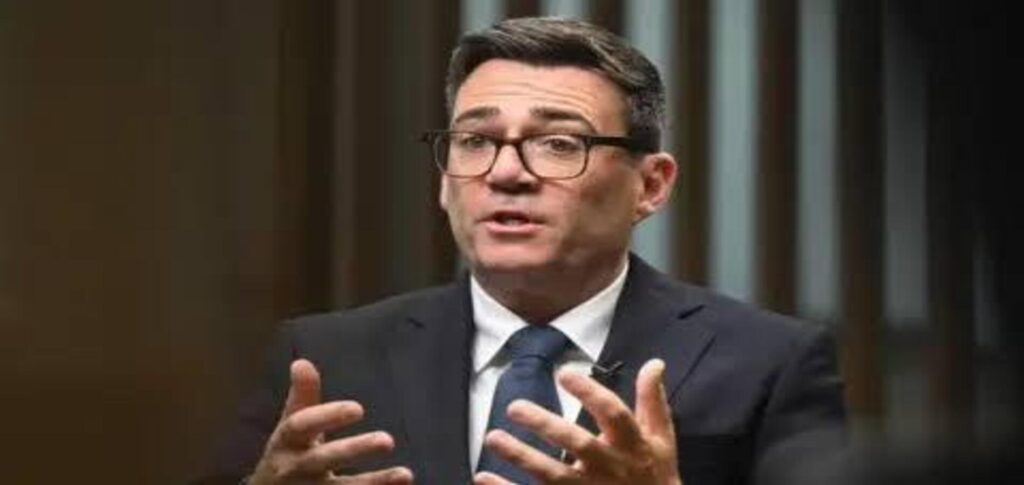
The Burnham social care reform programme has become a major government priority as Prime Minister Andy Burnham pledges to tackle England’s long-running adult social care crisis.
Burnham described decades of political inaction as a “major dereliction of public duty” and argued that England can no longer postpone fundamental changes to the system.
The proposed reforms would aim to improve care standards, strengthen the workforce and create closer links between social care and the NHS.
Burnham Social Care Reform Includes National Care Service
The centrepiece of the Burnham social care reform plan is a proposed National Care Service for England.
The government says the service would create a more consistent system while improving coordination between health and social care.
Key proposals include:
- Better pay for care workers
- Improved professional training
- Stronger NHS and social care integration
- Long-term support for vulnerable adults
- Higher and more consistent care standards
Baroness Louise Casey is also expected to publish an independent review next summer. The review has been brought forward from its original timetable and is expected to provide important recommendations for the future system.
Personal Experience Influences Burnham’s Plans
Burnham has said his father’s experience with Alzheimer’s disease influenced his approach to social care.
He praised the care workers who supported his family and said those experiences demonstrated both the importance of professional carers and the weaknesses that can exist within the wider system.
The prime minister has stressed that his proposals are intended to benefit families across England rather than being shaped solely by his own experiences.
Long-Term Funding Remains Unresolved
The government plans to fully fund the first stage of improvements to the social care workforce.
However, Burnham has acknowledged that creating a comprehensive National Care Service could require substantial long-term investment.
He has not ruled out future tax changes but said the government should first look for ways to improve efficiency and make better use of existing resources.
Any major funding changes would therefore require further political and public debate.
Government Holds Cross-Party Discussions
Burnham has begun discussions with opposition parties in an attempt to build wider political support for social care reform.
Representatives from both the Liberal Democrats and Conservatives have taken part in early discussions, with further talks expected.
Burnham argues that previous attempts to reform social care repeatedly failed because governments could not establish a lasting political consensus.
He hopes cross-party cooperation can prevent another cycle of reform proposals being abandoned after a change of government.
England’s Social Care System Faces Financial Pressure
Adult social care in England operates differently from the NHS and is not generally free at the point of use.
People with assets or savings above certain thresholds can be required to contribute significantly toward their care costs.
For some families, long-term care expenses can consume substantial savings and, depending on circumstances, affect decisions about housing and other assets.
Burnham has described the system as unfair and wants future reforms to provide greater protection against overwhelming care costs while maintaining high-quality support.
Casey Review Could Shape the National Care Service
The forthcoming Casey Review is expected to play a central role in determining how a National Care Service could operate.
It will examine potential reforms and help establish options for funding and delivering social care over the longer term.
The review could therefore influence decisions about workforce conditions, local authority responsibilities, integration with the NHS and financial support for people needing care.
Reform Could Also Reduce Pressure on the NHS
Burnham argues that improving social care could have benefits beyond the care sector itself.
Better access to appropriate community and residential care could help some people leave hospital when they no longer require acute treatment. Stronger coordination could also help prevent some people from reaching crisis points that require hospital admission.
The government therefore sees social care reform as part of a wider strategy to strengthen England’s healthcare system.
A Major Test for the Government
The Burnham social care reform programme represents an ambitious attempt to address an issue that has challenged successive governments.
However, turning the proposals into a functioning National Care Service will require agreement on funding, workforce recruitment, local government responsibilities and the relationship between social care and the NHS.
With the Casey Review expected to provide further recommendations, the coming months could determine whether Burnham’s promise becomes a lasting transformation or another attempt to resolve one of England’s most persistent public-service challenges.