
Farmers near Kenya’s Amboseli National Park are disputing claims that cyanide-contaminated tomatoes killed 16 elephants last month.
The elephant deaths have sparked an investigation into how cyanide may have entered an area where wildlife and farming communities live side by side.
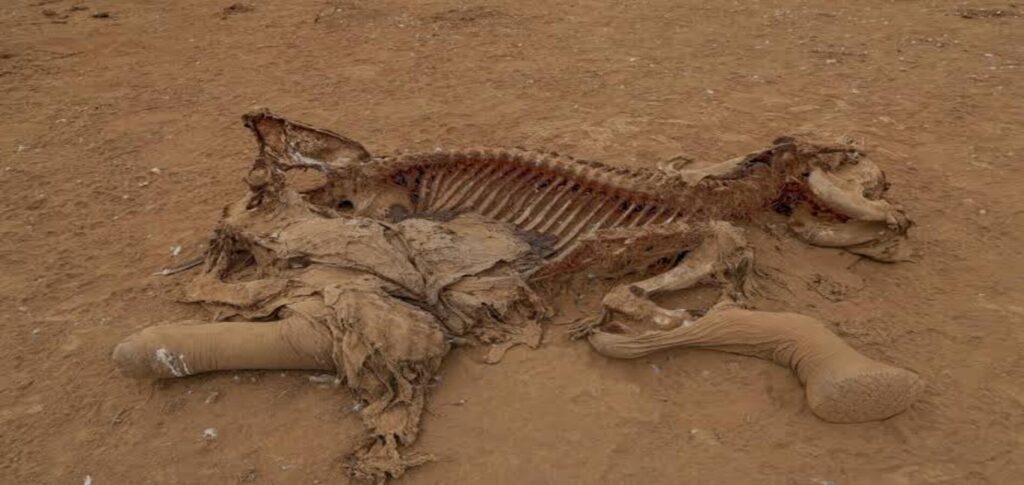
One elephant carcass was found beside a dusty road. Another had been heavily eaten by scavengers.
Kenya Wildlife Service officials said preliminary laboratory tests detected cyanide in samples taken from the dead elephants.
The animals had also eaten tomatoes and watermelons before they died.
Cyanide Poisoning of Elephants Under Investigation
Kenya Wildlife Service initially reported that 15 elephants had died within a month. Officials increased the number to 16 on Friday.
Veterinary teams found signs of paralysis and breathing difficulties before the animals died.
Dr Isaac Lekolool, head of veterinary services at the wildlife agency, said early tests pointed to cyanide poisoning.
However, more laboratory work is needed to determine the concentration and identify the source.
“We are yet to find out where this cyanide came from,Lekolool said.
The wildlife service has asked Kenya’s Pest Control Products Board to investigate whether the chemical was improperly used, stored or disposed of.
Officials are also checking whether water, soil or grass became contaminated.
Farmers Reject Claims About Contaminated Tomatoes
Farmers living near Amboseli have questioned whether agricultural chemicals caused the elephant deaths.
Elvis Muchai has farmed near Kimana for two decades. He said he had never heard of local farmers poisoning wildlife.
“We are used to the animals eating from our farms,Muchai said.
Elephants regularly cross the park’s electric fence and enter nearby farms. They often destroy crops during the dry season.
Muchai said elephants destroyed about half an acre of his tomato crop last season. He estimated his losses at around 500,000 Kenyan shillings, or about $3,800.
Despite these losses, he said local communities have continued to live alongside the animals.
Amboseli Farms Face Growing Wildlife Conflict
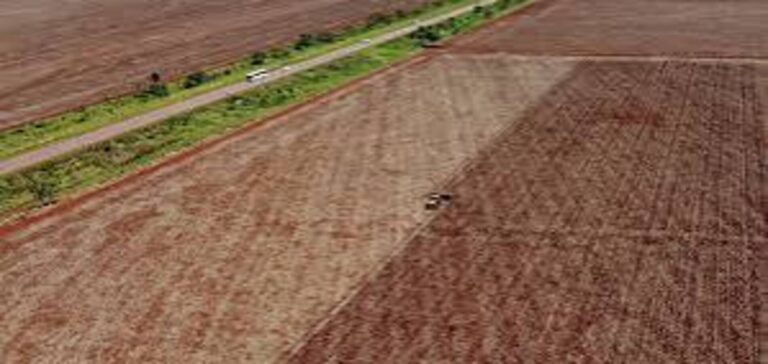
Kimana borders Amboseli National Park and remains one of Kenya’s major agricultural areas.
Farmers grow tomatoes, onions and French beans for markets in Nairobi and other parts of the country.
As farms expand closer to wildlife habitats, encounters between people and elephants have increased.
Kenya’s National Elephant Plan identifies human-wildlife conflict as the second-leading cause of elephant deaths after poaching.
Between 2000 and 2020, at least 1,160 elephants died in incidents linked to self-defence or retaliatory killings, according to the plan.
However, Duncan Juma, communications director at Kenya Wildlife Service, rejected the idea that human-wildlife conflict caused the latest deaths.
He said the local community “loves these animals.
Farmers Question Cyanide Poisoning Evidence
Farmers also question whether commonly used pesticides could have caused the deaths.
Muchai said he had never seen or heard of cyanide among the agricultural chemicals sold in the area.
He also questioned why other animals appeared unaffected.
We have goats, cows and other wildlife such as gazelles that also feed in these areas, said another farmer, Rymondy Mrosso.
If the crops were poisoned, why were only the elephants affected?he asked.
Officials said samples from the elephant’s stomach contents have already been tested for toxic chemicals.
Blood sample analysis is still underway.
Lekolool also rejected earlier suggestions that illegal mining could have introduced cyanide into the park.
He said cyanide is regulated in Kenya for mining purposes.
Conservation Groups Call for Urgent Action
The suspected cyanide poisoning of elephants has also raised concerns among conservation groups.
The International Fund for Animal Welfare said the deaths highlight the need to address the causes of human-wildlife conflict.
The group said communities must be able to protect their livelihoods while wildlife receives greater protection.
Ben Wandago, IFAW’s East Africa director, called for a thorough investigation into the suspected poisoning.
He also urged authorities to strengthen controls over highly toxic chemicals.
For now, investigators are still working to determine where the cyanide came from and whether contaminated food caused the elephant deaths.
The findings could have wider implications for wildlife protection and farming communities living around Amboseli National Park.