

BRICS leaders have agreed on a joint declaration at their 2026 summit in New Delhi, according to sources familiar with the negotiations. The agreement marks an important diplomatic step for the expanding bloc as its members seek to demonstrate unity on major global issues.
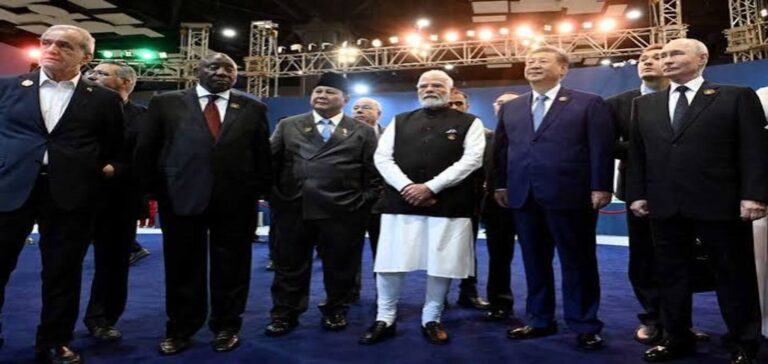
Indian Prime Minister Narendra Modi, who is hosting the summit, said BRICS had reached a stage where its unity and consensus should produce concrete results internationally. He made the remarks while opening the leaders’ meeting on Saturday.
The agreement was reached after difficult negotiations among members. Four sources told Reuters that the declaration is not expected to name a specific country. Instead, it will condemn unilateral aggression by any country.
BRICS Seeks Unity Amid Middle East Conflict
The declaration comes as tensions remain high across the Middle East. BRICS members Iran and the United Arab Emirates have faced differing pressures over the conflict in the Gulf region.
The situation has made consensus particularly difficult. The United States and Iran have resumed attacks after a pause in fighting during much of August. Meanwhile, Iran-aligned Houthi forces in Yemen have continued to strengthen their position around the Red Sea.
Indian officials said negotiations involved differences over several sensitive issues. However, New Delhi conducted sustained consultations in an effort to bridge those differences and reach common ground.
The sources who described the negotiations requested anonymity because they were not authorised to speak publicly. India’s foreign ministry had not immediately commented on the declaration.
Putin, Xi and Pezeshkian Attend Summit
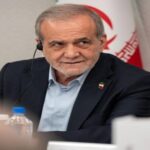
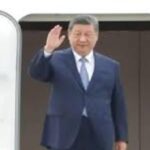
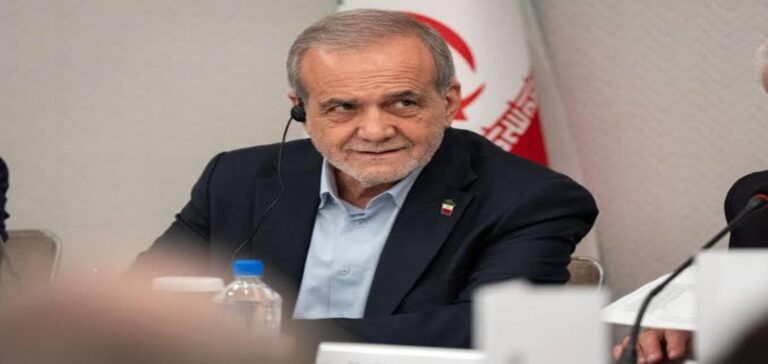
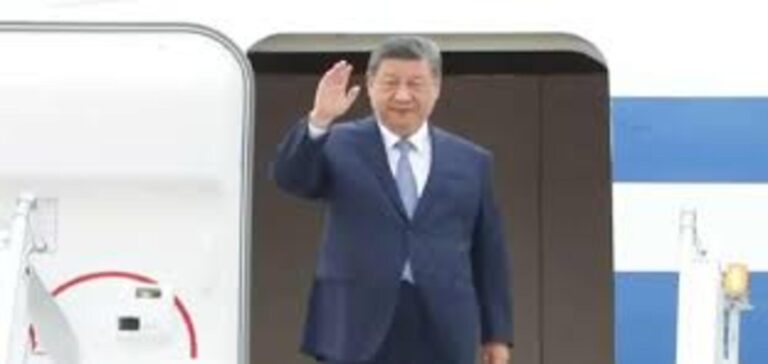
The summit brings together several major emerging economies. Leaders attending include Russian President Vladimir Putin, Chinese President Xi Jinping, Iranian President Masoud Pezeshkian, South African President Cyril Ramaphosa and Abu Dhabi Crown Prince Sheikh Khaled bin Mohamed bin Zayed Al Nahyan.
Foreign policy experts had identified the Middle East crisis as one of the biggest tests of BRICS unity. In particular, they said the bloc needed wording that both Iran and the UAE could accept.
A joint declaration is unlikely to immediately change the region’s geopolitical situation. Nevertheless, agreement on a common statement would demonstrate that the expanded group can find common ground despite major differences among its members.
BRICS foreign ministers failed to issue a joint statement after their meeting in New Delhi in May. The latest agreement therefore represents a significant diplomatic improvement.
BRICS Pushes for Global Reform
BRICS has increasingly sought a greater role in shaping international rules and institutions. Its members have called for reforms to organisations including the World Bank, International Monetary Fund and World Trade Organization.
Some BRICS members argue that these institutions have historically given Western powers too much influence. The group wants emerging economies to have a stronger voice in global decision-making.
Xi said BRICS nations should stand on what he described as the right side of history. He called for an international order based on greater fairness and justice.
For India, the summit also presents a diplomatic balancing challenge. New Delhi maintains important relationships with the United States, Russia, Israel, Iran and Gulf Arab states.
Modi has urged BRICS members to increase trade, reduce barriers and create more opportunities for businesses across member countries.
Modi Calls for Greater Global Representation
During the summit, Modi also renewed India’s call for reform of the United Nations Security Council.
He argued that the Global South is heavily affected by international crises but has a much smaller role in major global decisions. Modi said the existing system should be transformed into a broader partnership in which every country has a voice.
India has long sought a permanent seat on the Security Council. Modi said reform of the body could no longer be delayed.
BRICS was established in 2009 by Brazil, Russia, India, China and South Africa. Egypt, Ethiopia, Indonesia, Iran and the United Arab Emirates have since joined the grouping.
Together, the members represent more than 40% of the world’s population and almost a quarter of the global economy. The bloc was created in part to challenge an international system that its members viewed as heavily influenced by the United States and its Western allies.
The joint declaration therefore carries significance beyond the summit itself. While its immediate impact may be limited, reaching agreement shows that BRICS members can still present a united position despite growing geopolitical tensions.