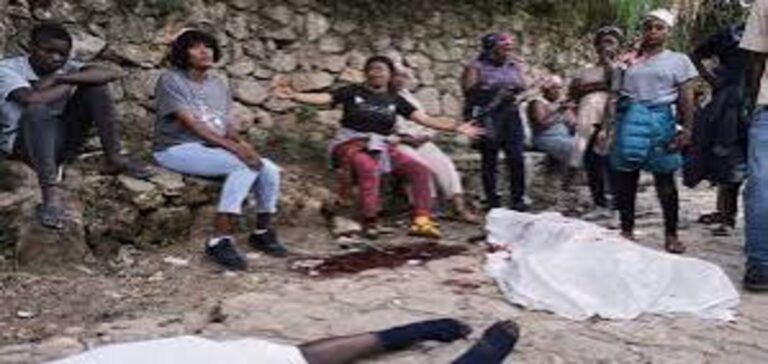

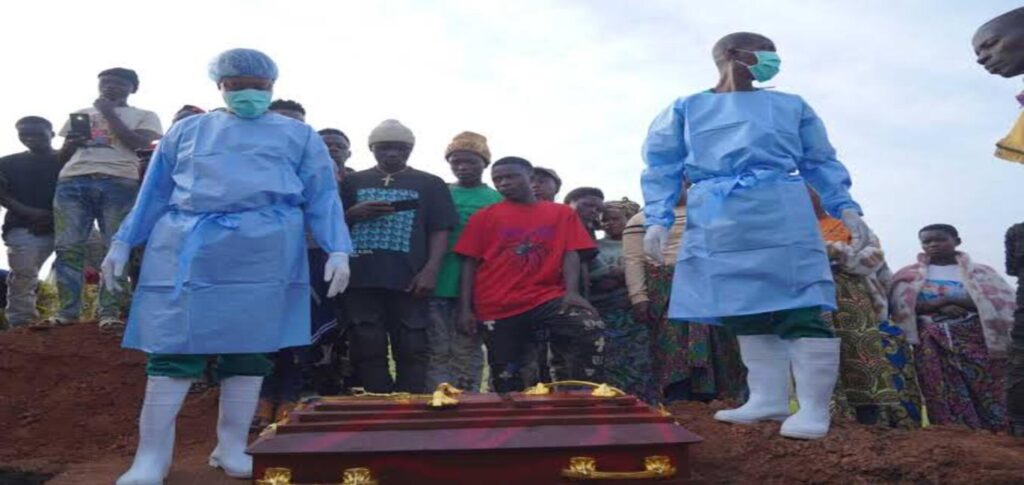
The Congo Ebola outbreak has recorded one of its deadliest weeks yet, with 317 deaths reported in eastern Congo, according to government health data released Monday.
The Health Ministry said the outbreak had reached 5,514 confirmed cases and 2,642 deaths by Saturday. The latest seven-day figure brings the crisis to a level that is putting enormous pressure on medical teams.
Congolese health experts warn that the true scale of the outbreak could be far greater. Some estimates suggest the number of infections may be three times higher than the official figures.
Ituri remains the epicenter
Ituri province remains at the center of the outbreak. Many newly infected people have not been identified through existing monitoring systems.
Nearly half of all reported patients have died, giving the outbreak an overall fatality rate of 47.9%.
The situation looks even worse in hard-to-reach areas. North Kivu has reported a fatality rate of 68.6%, according to government figures.
Health officials face major difficulties reaching communities because of poor roads, population movements and insecurity.
Experts believe the virus may have been circulating in the mining town of Mongbwalu as early as February. Authorities officially declared the outbreak on May 15.
Vaccine arrives as health workers face challenges
Congo has received more than 16,000 doses of Ervebo, a vaccine that proved effective during previous Ebola outbreaks.
However, those earlier outbreaks involved a different Ebola virus species. The current crisis involves the Bundibugyo virus.
The World Health Organization says researchers will use Ervebo in clinical trials to assess whether it can provide protection against the current strain.
Early laboratory and animal studies suggest the vaccine could offer some protection, although its effectiveness against Bundibugyo virus remains uncertain.
Officials have yet to announce when frontline workers will begin receiving the doses.
Outbreak faces security and misinformation problems
Medical teams are working under extremely difficult conditions.
Rebel activity has complicated access to affected communities, while large population movements make it harder to trace contacts and identify new infections.
Some health responders have also stopped working because they have not received their payments. At the same time, misinformation and public distrust continue to hamper response efforts.
Communities in eastern Congo have already endured years of conflict and repeated health emergencies. That history has contributed to frustration among residents and made public health messaging more difficult.
For now, health authorities and international partners are racing to expand surveillance, treatment and vaccination efforts as the Congo Ebola outbreak continues to spread.