
The Haiti conflict in numbers shows the devastating scale of a crisis that continues to claim lives, displace families and deepen hunger across the country.
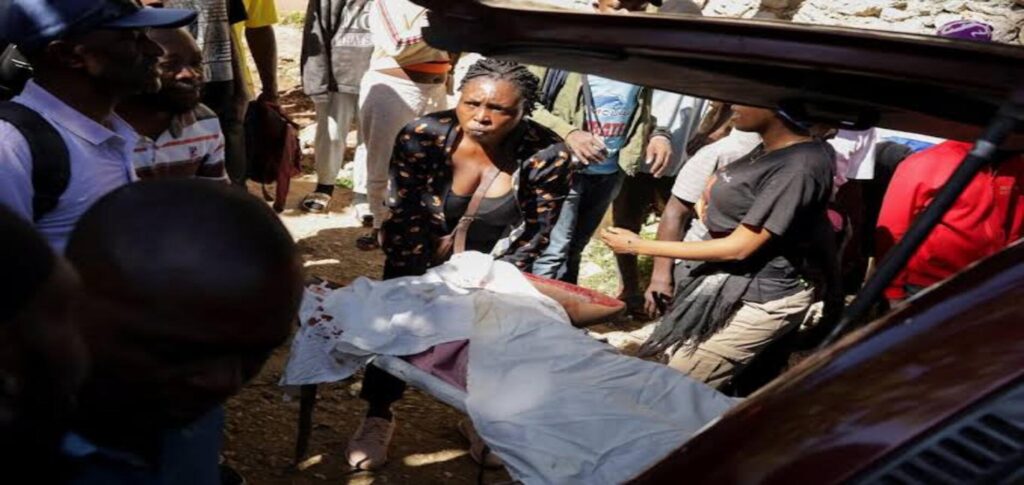
A night of violence in the hillside town of Kenscoff has shocked Haiti. At least 47 people were killed during Sunday’s attack, while other residents were reportedly kidnapped.
Thousands of people fled their homes as armed gangs brought fresh terror to the community.
The violence comes as Haiti prepares for its first election in a decade. At the same time, international partners are working to strengthen security support through a United Nations-backed multinational force.
Rising Death Toll in Haiti
According to the United Nations Integrated Office in Haiti (BINUH), around 3,050 people were killed during the first half of 2026.
More than 21,000 people have died since the beginning of 2022. Moreover, annual death tolls have continued to rise.
Security operations have also contributed significantly to this year’s deaths. At least 1,733 people were killed during such operations in 2026.
Among them were at least 229 civilians with no reported links to gangs. Some victims died from stray bullets or drone explosions while inside their homes or on the streets.
At least 18 children were also killed during security operations.
However, authorities have yet to report investigations into those deaths.
Sexual Violence and Kidnappings Increase
The crisis extends beyond killings.
BINUH recorded 1,088 victims of sexual violence during 2026. Most reported cases involved gang rape of women.
At least 80 underage girls and two men were also among the reported victims.
Meanwhile, ransom kidnappings increased sharply during the second quarter of the year. The number rose 47% compared with the first three months.
At least 81 people were kidnapped during the quarter. Victims included government officials, off-duty police officers, business owners and residents in agricultural areas.
However, the true figure could be considerably higher.
Fear of reprisals, social stigma and a lack of trust in authorities discourage many victims from reporting crimes. In addition, some families believe cooperation with kidnappers may help secure a victim’s release.
Millions Forced From Their Homes
Haiti’s conflict has also created a major displacement crisis.
The U.N. migration agency estimated that about 1.47 million people were internally displaced by May. That represents roughly 12% of Haiti’s population.
The figure was around 40,000 higher than at the end of 2025.
Kenscoff suffered another major displacement after Sunday’s attack. The International Organization for Migration said more than 2,600 people fled the area.
Many had already escaped violence elsewhere.
Consequently, repeated displacement has left families with fewer safe places to go and limited access to basic services.
Hunger Deepens Across Haiti
Violence has also damaged Haiti’s fragile economy.
An estimated 5.8 million people now face high levels of food insecurity, according to the Integrated Food Security Phase Classification.
The figure has increased from about 5.7 million in the previous assessment.
The IPC said continuing violence has restricted transportation and the movement of goods and people.
As a result, many vulnerable Haitians struggle to earn an income or obtain enough food.
Some families have also faced such severe economic pressure that people have joined armed groups simply to survive.
Haiti Prepares for Long-Delayed Elections
The crisis comes as Haiti prepares for a potentially historic election.
The country has not held national elections since 2016. Former President Jovenel Moise was assassinated in 2021 after postponing an election.
Since then, worsening gang violence has repeatedly delayed the return to the ballot box.
Last month, Haiti’s Provisional Electoral Council announced a new election timetable.
The first round of presidential and general elections is scheduled for December 13. A second round, together with local elections, is planned for February 21.
However, the elections depend heavily on the security situation.
Authorities must determine whether conditions will allow voters to participate safely and freely.
Gang Alliance Expands Its Influence
Armed groups have increasingly joined forces under an alliance known as Viv Ansanm.
Its main spokesperson, Jimmy “Barbecue” Cherizier, is a former police officer who portrays the alliance as a revolutionary movement against Haiti’s political elite.
The group declared itself a political movement early last year.
Its growing influence has added another layer of complexity to Haiti’s political crisis.
International Security Support Remains Critical
Haiti’s government first requested a multinational security force in 2022. Yet the full deployment of the U.N.-backed force has taken years.
International partners now face pressure to provide more effective support as gang violence continues.
The challenge is enormous. Haiti needs stronger security while also rebuilding public institutions, restoring economic activity and creating conditions for credible elections.
A Crisis With No Easy Solution
The Haiti conflict in numbers paints a stark picture.
Thousands have been killed, more than a million people have been displaced and millions face food insecurity. Meanwhile, kidnappings and sexual violence continue to threaten vulnerable communities.
Now, Haiti faces a crucial test.
The country must restore security while preparing for elections that could help rebuild public confidence in its institutions. Until communities feel safe enough to return home, work and vote, however, Haiti’s path toward stability will remain extremely difficult.