
Iran says diplomacy remains the only way to resolve its conflict with the United States and Israel after US President Donald Trump rejected an Iranian proposal linked to the Strait of Hormuz and a possible halt to fighting.
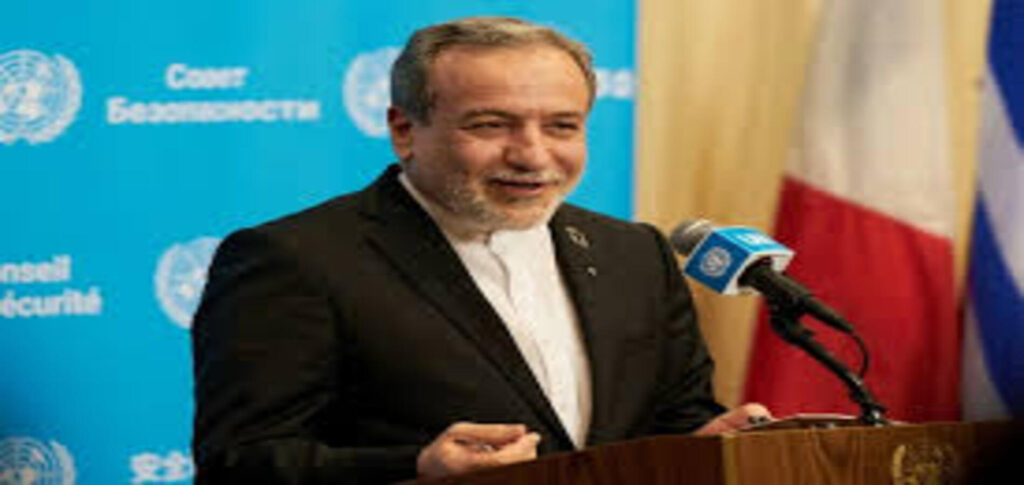
Iranian Foreign Minister Abbas Araqchi said Tehran has made its conditions clear. He said any move to reopen the strategic waterway would depend on those conditions being accepted.
“Only a negotiated solution can get them out of this deadlock,” Araqchi wrote on social media.
Iran presented its peace proposal at the United Nations General Assembly in New York last week. Tehran said Qatar had passed the proposal to US officials as part of mediation efforts.
Trump said Saturday that he had rejected the proposal. Speaking to reporters at the White House, he said Iran was seeking an agreement to reopen the Strait of Hormuz because of the pressure it was facing.
However, Araqchi said Iranian mediators had not yet formally received confirmation of a US rejection.
Iran Awaits Formal US Response
Araqchi said Tehran is waiting for the mediators to deliver Washington’s official position. He added that Iran would decide its next steps after receiving a definitive response.
The situation remains uncertain despite earlier comments from a US official describing discussions with Iran through mediators as positive and constructive.
The Wall Street Journal previously reported that Trump had rejected the Iranian proposal. The report cited unnamed US officials and said Trump doubted whether Tehran would meet his demands.
The report also said Trump had told advisers that another US bombing campaign could become more likely after the November midterm elections. The claim has not been publicly confirmed by the White House.
Strait of Hormuz Remains Central to Talks
The Strait of Hormuz has become a central issue in the conflict. Iran has restricted shipping through the waterway, sharply reducing the movement of vessels through one of the world’s most important energy routes.
The United States has imposed economic pressure on Tehran while demanding an end to attacks on vessels in the region. Trump has repeatedly said the United States controls the strategic waterway.
Iran has also held discussions with Saudi Arabia over the situation. The contacts underline the wider regional impact of the conflict and the importance of keeping energy shipments moving.
Araqchi said Friday that the proposed agreement could create a seven-day period before Iran reopened the strait. He also said the arrangement could include a pause in regional fighting.
Nuclear Program Could Become Part of Wider Talks
Araqchi said a successful agreement could eventually lead to broader negotiations between Iran and the United States.
Those discussions could include Iran’s nuclear program. Trump has repeatedly said Tehran must not obtain a nuclear weapon.
Iran, however, has rejected demands that would limit what it considers its nuclear rights. A senior Iranian official told Reuters that Tehran would not agree to concessions on uranium enrichment or the removal of highly enriched uranium from Iran.
Iranian President Masoud Pezeshkian said Tehran remains willing to negotiate on its nuclear program and other issues. However, he said Iran would not accept pressure or coercion.
Pezeshkian also said Iran was not seeking war but would defend itself against threats and attacks. He reiterated Tehran’s position that it is not seeking to develop nuclear weapons.
Conflict Continues Across the Region
The war began on February 28 with US and Israeli attacks, according to the supplied account. Fighting has since included periods of reduced violence followed by renewed strikes.
The conflict has caused thousands of deaths and damaged Iran’s military capabilities and economy. Fighting has also spread beyond Iran and Israel.
Iran has launched drone and missile attacks against US partners in the Gulf. Meanwhile, its Houthi allies in Yemen have continued attacks against regional targets.
A Saudi-led coalition said Saturday that it had intercepted two ballistic missiles and two drones launched by the Houthis toward Saudi Arabia.
For now, Iran says it remains prepared to pursue diplomacy. However, the future of negotiations depends on whether Washington formally responds to Tehran’s proposal and whether both sides can agree on the conditions for a wider settlement.