The military confrontation between Iran and the United States has entered another dangerous phase. Both countries have carried out fresh attacks while issuing increasingly forceful warnings.
Iran has warned that it will respond if the United States targets its civilian infrastructure. Tehran also cautioned that critical facilities across the region could face serious consequences.
The latest developments followed another round of US military operations inside Iran. As a result, concerns are growing that the conflict could spread beyond the two countries and threaten regional security and global energy supplies.
Fresh US Strikes Reported in Southern Iran
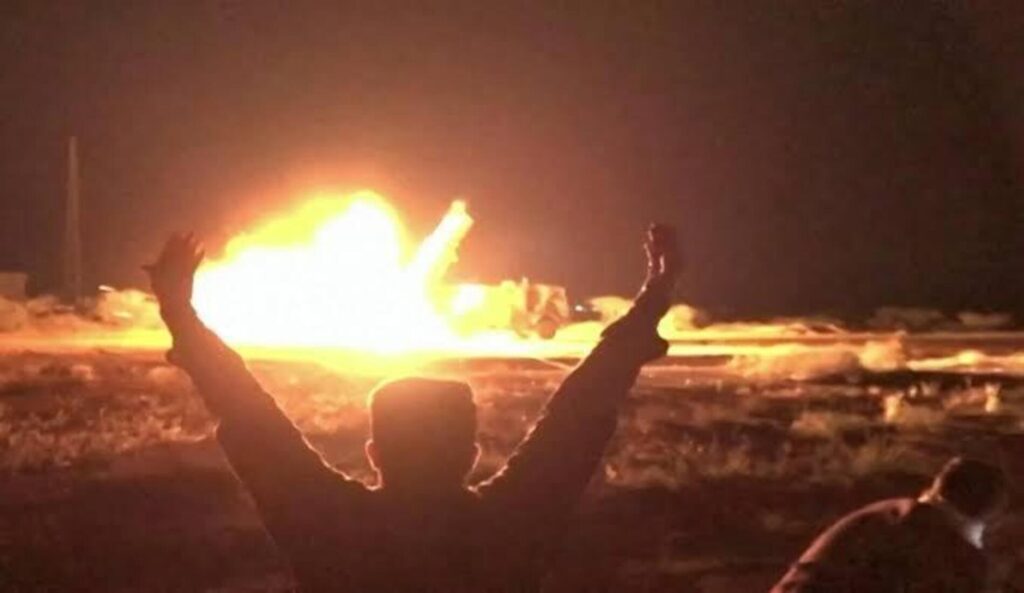
The US military confirmed another series of overnight strikes against locations linked to Iran’s military capabilities.
Iranian media reported explosions on Qeshm Island, in Bandar Abbas, and near Chabahar. These locations hold strategic importance because of their proximity to the Strait of Hormuz.
Residents in several areas reported loud blasts as Iranian air defence systems responded.
Washington has not released full details of the operation. However, US officials said the strikes formed part of efforts to reduce Iran’s ability to threaten regional security and international shipping.
Oil Tanker Disabled Near Strait of Hormuz
US forces also reportedly intercepted and disabled an oil tanker travelling toward an Iranian port through the Strait of Hormuz.
According to the US military, forces used Hellfire missiles during the operation. Officials said the vessel was stopped before reaching its destination, although details about its crew and condition remained unclear.
The Strait of Hormuz remains one of the world’s most important energy corridors. A significant portion of global oil exports passes through the waterway each day.
Therefore, any prolonged disruption could quickly affect international energy markets, shipping costs and fuel prices.
Iran Claims Retaliatory Attacks
Iran responded by announcing attacks against what it described as US military assets in Kuwait, Bahrain and Jordan.
Iranian officials said the strikes represented retaliation for the latest American operations. They also warned that further attacks on Iranian territory would trigger a stronger response.
Authorities in the affected countries had not immediately released complete assessments of the reported damage.
Fears of a Wider Regional Conflict Grow
The latest escalation has increased fears that the confrontation could expand beyond Iran and the United States.
Military activity involving other countries could threaten maritime security and disrupt commercial shipping across the Gulf. It could also place additional pressure on global oil supplies.
The Strait of Hormuz remains a particular concern because even a temporary disruption could have significant consequences for international energy markets.
International Calls for Restraint
Several countries have called on Washington and Tehran to exercise restraint and return to diplomatic negotiations.
International governments are increasingly concerned that continued attacks could trigger a broader regional conflict involving additional states and armed groups.
For now, both Iran and the United States appear determined to maintain their positions. With military operations continuing and tensions rising, the international community remains focused on preventing further escalation and protecting regional stability.