JD Vance Says Israeli Officials Tried to Influence US Iran Policy
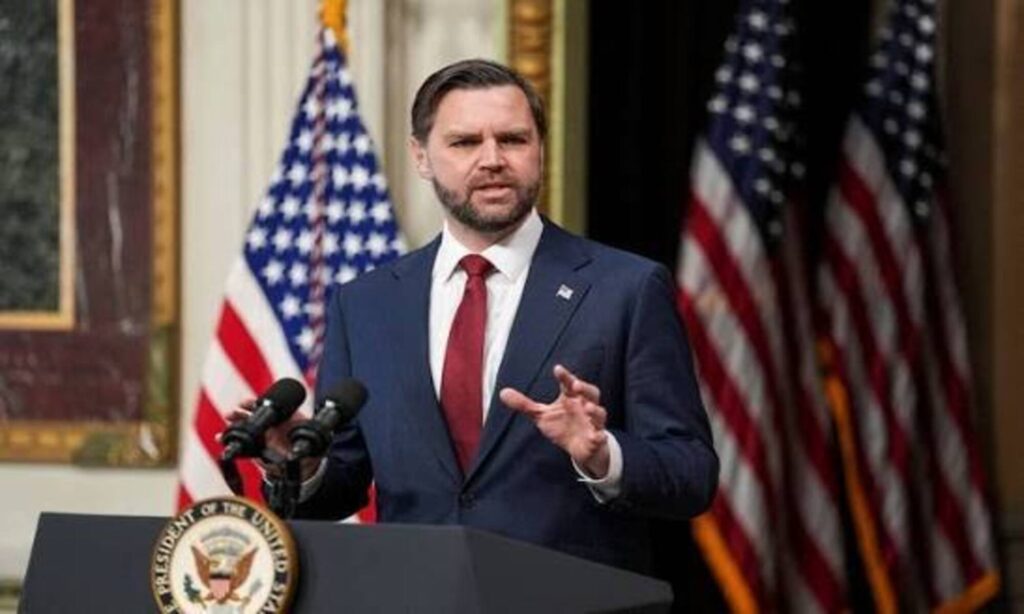
US Vice President JD Vance has claimed that some Israeli government officials attempted to influence American public opinion and weaken Washington’s diplomatic approach toward Iran.
Speaking during an interview with podcaster Joe Rogan, Vance said he believed an organized effort sought to shift American support away from negotiations and toward continued military action.
His comments come as tensions between the United States and Iran remain high, with recent fighting raising concerns about further instability across the Middle East.
JD Vance Defends Diplomacy With Iran
During the interview, Vance strongly defended the US administration’s efforts to negotiate with Iran.
He argued that diplomacy offered the best opportunity to prevent the conflict from becoming more dangerous and spreading across the region.
Vance said he believed certain individuals connected to the Israeli government preferred continued military operations and sought to reduce support for negotiations inside the United States.
He also referred to reports suggesting that political campaigns linked to Israeli interests had attempted to influence public debate surrounding the Iran conflict.
However, the claims remain allegations, and the Israeli government has not publicly confirmed the accusations.
Vance Says He Faced Criticism Over Iran Talks
Vance said he became the target of intense criticism because of his support for diplomatic negotiations.
According to the vice president, some of the criticism appeared aimed at weakening the negotiation process rather than challenging the administration’s policy on its merits.
He acknowledged that governments frequently attempt to influence international public opinion and political debates. However, he argued that such activity becomes a concern when it affects US foreign-policy decisions.
Vance stressed that American foreign policy should ultimately reflect US national interests rather than pressure from foreign governments or political groups.
US-Israel Differences Over Iran Become More Visible
The comments highlight growing differences between Washington and some Israeli officials over how to address Iran.
The United States and Israel remain close strategic partners. However, disagreements over military operations, negotiations and Iran’s nuclear programme have become more visible.
Vance reiterated that Iran should not be allowed to develop a nuclear weapon. At the same time, he argued that negotiations remain an important tool for preventing a wider regional conflict.
The competing approaches reflect a broader debate over whether diplomatic pressure or military action offers the most effective way to address the Iranian threat.
Former Israeli Diplomat Calls Vance Remarks Unusual
Former Israeli diplomat Alon Pinkas described Vance’s comments as unusual.
He noted that it is uncommon for a sitting US vice president to publicly accuse Israeli officials of attempting to influence American policy so directly.
Pinkas said the remarks suggest that Washington and Jerusalem may currently have different priorities regarding Iran.
The Israeli government has not publicly responded to Vance’s statements.
Diplomacy and Military Pressure Remain Key Issues
The remarks from JD Vance add another layer to the increasingly complex relationship between the United States and Israel.
While both countries continue to cooperate closely on regional security, differences over Iran could create additional political challenges.
The debate also highlights the difficult balance facing Washington as it attempts to protect US interests, prevent Iran from developing nuclear weapons and avoid a wider Middle East war.
For now, the allegations made by Vance remain disputed. However, his comments are likely to fuel further discussion in Washington about foreign influence, US national interests and the future of American policy toward Iran.