
Rescue teams in Nepal and China are still searching for thousands of people after a devastating flood swept through the Himalayan region.
A huge wall of water, ice, mud and debris tore through villages on Wednesday. The disaster destroyed homes, roads and major infrastructure along the Nepal-China border.
The number of missing people rose above 2,400 on Friday. Emergency teams had recovered 623 bodies by then.
Some victims may have been carried downstream into India by the powerful floodwaters.
Nepal’s disaster authority has also added 933 hydropower workers to its missing persons list. The list already included trekkers and pilgrims travelling toward Tibet’s Mount Kailash.
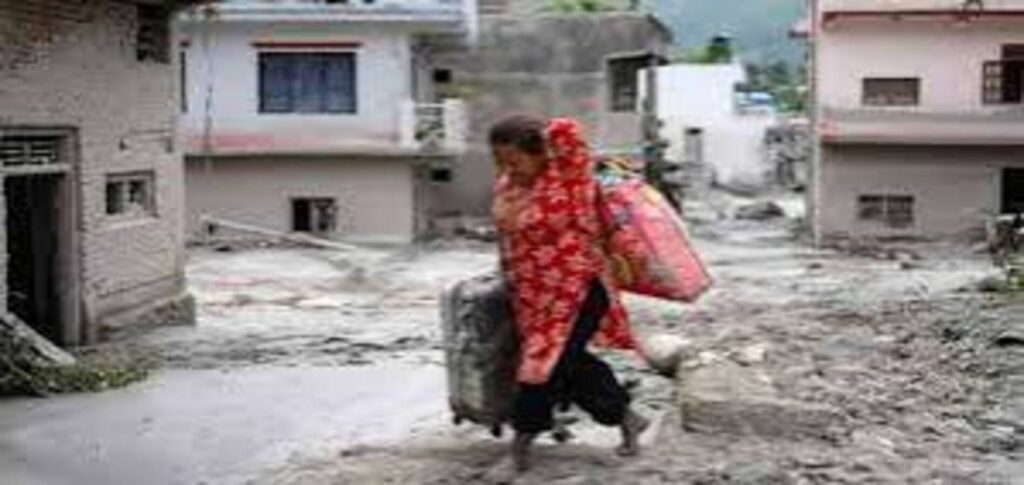
Survivors now face the painful task of finding missing relatives. Many have also lost their homes and livelihoods.
“All the settlements near the river were swept away. There is nothing left,” survivor Buddhi Ram Dangol told AFP.
Samjhana Thing has spent three days waiting for news about her missing brother.
“We don’t know anything. Hopefully he is in a safe place,” she said.
Huge Areas Face Further Danger
The disaster has caused enormous trauma across the affected region.
The Red Cross estimates that as many as 93,000 people may have been affected. Officials also expect the death toll to rise.
Rescue teams are racing against time to reach isolated communities. Many areas also face shortages of food and drinking water.
Fresh flooding has created another major challenge.
The floodwaters and debris formed several large lakes in the mountains. One of those lakes now threatens rescuers working in the disaster zone.
Nepali police ordered rescue teams to move to safer areas after receiving reports of another water release from the Tibetan side.
In Tibet, Chinese authorities temporarily suspended rescue operations in the worst-hit area of Gyirong. Officials cited concerns about another possible flood.
China later said the immediate danger had eased.
State news agency Xinhua reported that rescuers saved two villagers in the area early Saturday.
Workers Trapped in Hydropower Tunnel
Nepal’s military has also been searching for workers trapped inside a tunnel at the Trishuli 3A hydropower project.
Army spokesman Raja Ram Basnet said two helicopters had reached the area. However, rescuers struggled to locate the tunnel entrances because of the destruction.
Around 350 workers and residents have already reached safety from the site.
More than 100 people may still remain trapped in the area, according to the army.
Workers rescued from other hydropower projects described the flood as sudden and overwhelming.
Buddha Tamang survived because he was inside a tunnel when the water arrived.
“The senior officers working on the other side, they were all swept away,” Tamang told AFP.
He spent more than 24 hours trapped before rescuers airlifted him to safety on Thursday.
Death Toll Continues to Rise
Nepal reported 616 deaths on Saturday.
The country also has 1,924 people listed as out of contact. The figure includes 517 foreign nationals.
Authorities in India have also recovered seven bodies from rivers flowing out of Nepal. Officials believe the victims may have died in the floods.
Across the border, Tibet has reported seven deaths and 554 missing people, according to Xinhua.
Chinese authorities have evacuated 555 stranded tourists from the affected area. They have also moved 499 Chinese residents to safety.
The figures from Nepal and Tibet may change as rescue teams reach remote areas and authorities verify information.
Pilgrims Among the Missing
The disaster has also affected international pilgrims travelling toward Mount Kailash.
Large numbers of Hindu devotees from different countries were travelling through the region when the flood struck.
Sivaranjani Muthunathan was travelling with 56 other people toward the Chinese border.
The group initially believed they had encountered a traffic jam.
Then the situation changed within moments.
“There was fog, smoke, something that seemed to suddenly engulf us,” the 46-year-old told AFP.
She recorded a video as floodwater and debris rushed toward the group.
Vehicles around them disappeared under mud and water.
Muthunathan said the passengers climbed out through the driver’s side. They then ran toward higher ground.
Search for Missing People Continues
Rescue teams in Nepal and China continue to search for survivors and missing people.
The scale of the destruction has made the operation extremely difficult. Roads and bridges have disappeared in some areas.
Flooding has also cut off several communities.
Emergency workers must now balance the search for survivors with the threat of further flooding.
Families across the region are still waiting for news about their loved ones.
For many survivors, the disaster has left behind a second crisis. They must now rebuild their homes, communities and livelihoods after losing almost everything.