
North Korea has rejected a new International Atomic Energy Agency resolution calling for an end to its nuclear weapons activities.
The North Korea IAEA resolution was adopted during the agency’s 70th General Conference in Vienna on September 17. It reaffirmed that North Korea cannot hold nuclear-weapons-state status under the Nuclear Non-Proliferation Treaty and called on Pyongyang to stop nuclear-related activities.
Pyongyang, however, dismissed the resolution and said it would not change the country’s position.
North Korea Calls Resolution Ineffective
A North Korean Foreign Ministry spokesperson said the resolution had no effect on the country’s position as a nuclear weapons state.
The statement, carried by state news agency KCNA, accused the United States and Western countries of trying to dismantle North Korea’s nuclear program.
Pyongyang also said its nuclear status is secured by its existing nuclear deterrent and domestic laws.
North Korea has repeatedly rejected international demands for denuclearization.
Its leadership has instead described its nuclear arsenal as a permanent part of the country’s national security strategy.
IAEA Resolution Rejects North Korea’s Nuclear Status
The IAEA resolution took a different position.
Member states reaffirmed that North Korea cannot claim nuclear-weapons-state status under the NPT. The measure also called for an immediate halt to activities connected with its nuclear weapons program.
The resolution passed with 103 votes in favor, six against and 14 abstentions.
Russia and China were among those voting against the measure, according to South Korean media reports.
The vote reflects the continuing divide between Pyongyang’s position and the international nuclear non-proliferation framework.
Kim Yo Jong Accuses IAEA of Double Standards
North Korean leader Kim Jong Un’s sister, Kim Yo Jong, also criticized the agency.
She accused the IAEA of applying what she described as double standards toward North Korea and other countries.
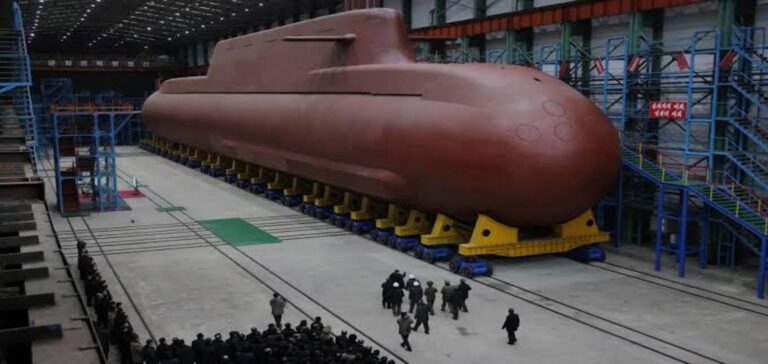
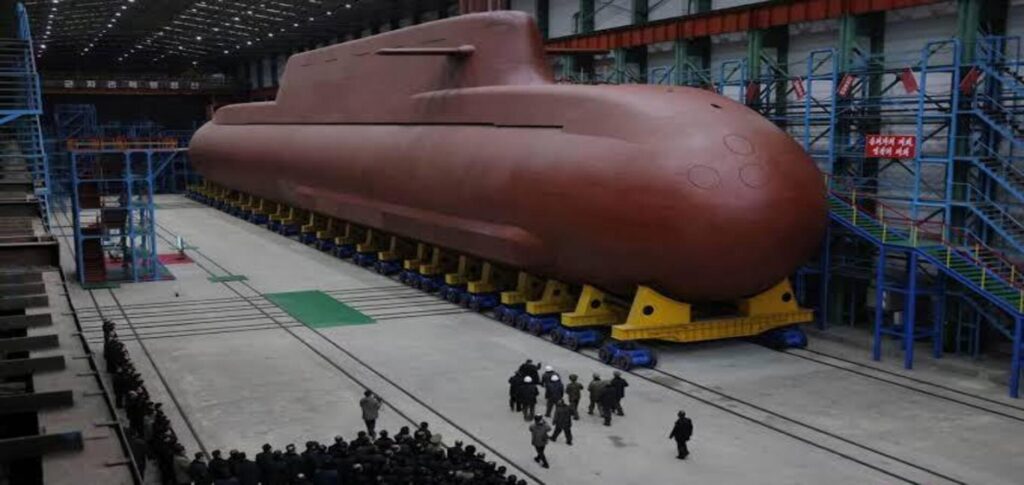
Kim argued that the agency had ignored U.S. nuclear deployments and South Korea’s plans involving nuclear-powered submarines while criticizing Pyongyang’s nuclear activities. These claims were made by Kim and represent the North Korean government’s position.
She said North Korea would continue maintaining the credibility of its nuclear force.
Pyongyang Says Nuclear Policy Will Continue
The Foreign Ministry statement also indicated that North Korea intends to continue developing what it describes as a self-defensive nuclear deterrent.
Officials said the country would pursue longer-term plans to strengthen its defense capabilities in response to what Pyongyang considers a worsening international security environment.
North Korea’s position has remained consistent despite repeated international calls for denuclearization.
North Korea Remains Outside Key Nuclear Frameworks
Pyongyang argues that the IAEA does not have the authority to determine its nuclear status.
North Korea withdrew from the NPT in 2003 and expelled IAEA inspectors in 2009. Since then, international monitoring of its nuclear facilities has been severely limited.
However, the IAEA and other governments continue to monitor developments through satellite imagery and other available information.
The agency has repeatedly raised concerns about activity at North Korean nuclear facilities.
Nuclear Tensions Remain High
The latest dispute comes as tensions remain high on the Korean Peninsula.
North Korea has continued emphasizing the development of its military capabilities. State media recently reported that Kim Jong Un inspected major weapons factories and called for further modernization of the country’s defense forces.
At the same time, North Korea has criticized military cooperation between the United States, South Korea and Japan.
Washington and its allies maintain that their military arrangements are intended to deter threats and protect regional security.
What Happens Next?
The North Korea IAEA resolution does not appear to have changed Pyongyang’s position.
North Korea continues to reject international demands to abandon its nuclear weapons program. Meanwhile, the IAEA and its member states continue to oppose the country’s nuclear weapons development under the international non-proliferation framework.
As a result, the dispute over North Korea’s nuclear status is likely to remain a major issue in efforts to address security on the Korean Peninsula.