
Iran’s Supreme Leader Mojtaba Khamenei has ordered the country’s armed forces to be ready to hit back “without geographical restriction” if Iran is attacked again, a hard-line message that lands just as Qatar, Pakistan and other regional players are trying to stop the Middle East war from reigniting.
The statement, released by his office on Saturday, October 31, followed what it described as a meeting with Iran’s most senior commanders. It came a day after a Qatari delegation arrived in Tehran for talks, and a day after Pakistan’s military spokesman said Islamabad was “cautiously optimistic” about its own mediation between Iran and the United States. As of Saturday evening (PKT), Iranian media said Tehran had yet to respond to a recent letter from Washington.
What Khamenei ordered
According to the statement, the supreme leader told commanders that Iran must maintain “maximum deterrence” and be prepared for an immediate and effective response to any new attack, with no limit on where that response could reach. Dawn, citing AFP, reported that he also told the military to widen Iran’s list of potential targets to cover American and Israeli assets of every kind, physical or otherwise.
Those named as present were Revolutionary Guards commander Ahmad Vahidi, army chief Amir Hatami and Ali Abdollahi, who heads the general staff of the armed forces. Khamenei himself has not been seen in public since he succeeded his father, Ayatollah Ali Khamenei, who died when the US and Israel opened the war with strikes on February 28. The account of the meeting comes only from his office’s written statement.
Other officials echoed the tone. Army spokesman Mohammad Akraminia warned that renewed US “adventurism” would spread the war across “a wider geography”, Al Jazeera reported.
The diplomacy running alongside
The warning does not mean talks have collapsed. Qatari officials, headed by an adviser to the country’s prime minister, held talks in Tehran on Friday, with more meetings expected on Saturday. Qatar and Pakistan have mediated between the two sides since a ceasefire in April.
Much of the attention is on a letter that US Vice President JD Vance reportedly sent to Mohsen Rezaei, who leads Iran’s Supreme National Security Council. Its exact contents have not been published. Al Jazeera reported that it is believed to seek nuclear commitments, including access for international inspectors and a decision on Iran’s stock of highly enriched uranium. President Donald Trump has disputed that it concerns renewed peace talks, saying, without giving details, that it was about allowing medical supplies into Iran.
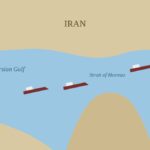
Iranian media say Tehran’s starting position remains an offer to reopen the Strait of Hormuz within days in return for a return to a memorandum of understanding agreed in June. Its demands reportedly include lifting a US naval blockade of Iranian ports, relief from oil sanctions and a wider regional truce, including in Lebanon.
Pakistan’s role
Lt Gen Ahmed Sharif Chaudhry, who heads the military’s media wing ISPR, said on Friday that Field Marshal Asim Munir’s two visits to Tehran this month were a sign of progress. “Why would the Field Marshal be going twice if it is not for some positivity?” he said in Rawalpindi, while warning of “powerful spoilers and detractors” who benefit from conflict. He would not share details of the discussions, nor say whether the US had supported the visit.
On the most recent visit, on Monday, Munir travelled with Saudi Arabia’s defence minister, Prince Khalid bin Salman, and Ibrahim Kalin, who runs Turkey’s intelligence service. Reuters, in a report carried by Dawn, said the meeting marked the first senior-level engagement between Tehran and every member of the Makkah defence pact, signed on August 7, under which an attack on one member is treated as an attack on all. Asked whether Iran could join, Lt Gen Chaudhry said the pact’s wording did not bar new members, but that the decision rested with political leaders.
Why it matters beyond the region
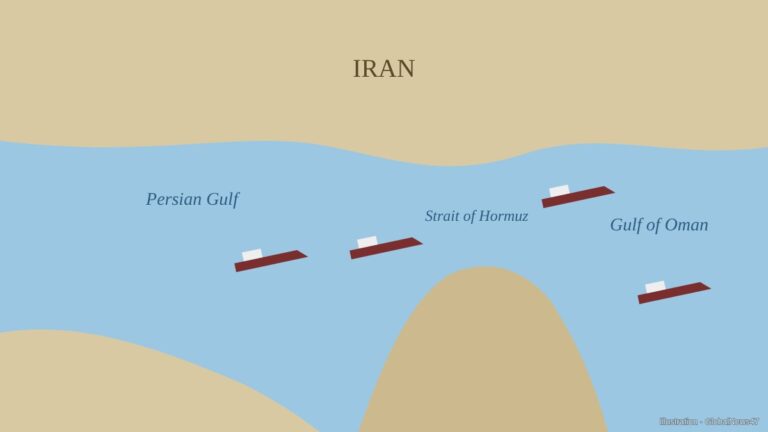
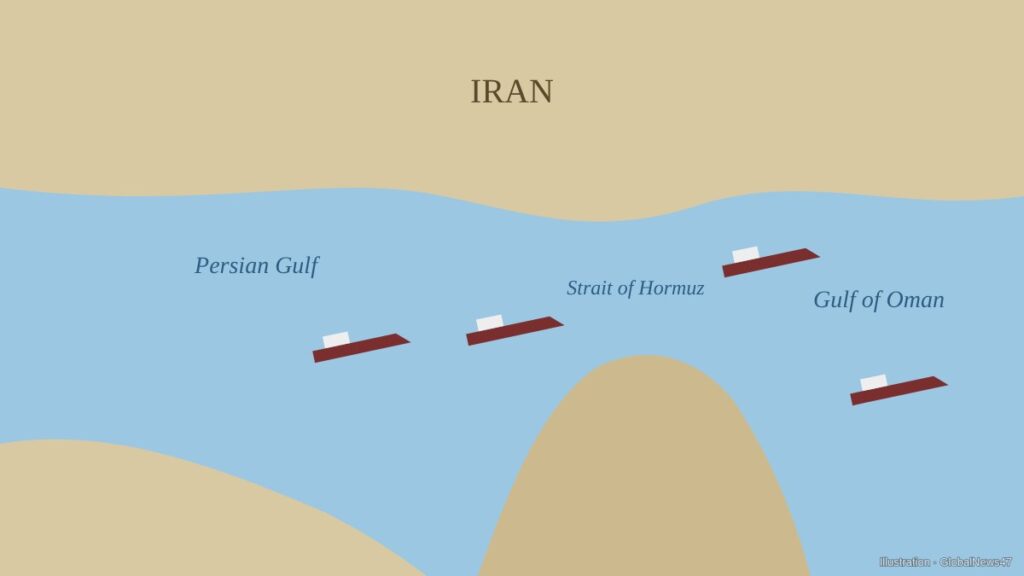
The stakes are high for energy importers such as Pakistan. In normal times, roughly one-fifth of the oil the world consumes passes through the Strait of Hormuz, and shipping through it remains far below normal. The UK Maritime Trade Operations centre counted 155 inbound and 122 outbound transits in the week to October 28, which it said was 70% below pre-war levels. Iranian state television has claimed that several tankers were damaged by mines in recent days; that claim has not been independently verified.
A state-linked Iranian newspaper, Jomhouri-e Eslami, warned in a Saturday editorial that fighting could restart once Americans vote in the November 3 midterms, while urging Tehran to engage positively with mediators. War must not be accepted as Iran’s “inescapable fate”, it argued.
What to watch
The next signals are likely to come from the outcome of the Qatari talks, any formal Iranian reply to the Vance letter and whether Pakistan’s army chief returns to Tehran. Khamenei’s statement suggests Iran wants to negotiate from a position of declared strength. Whether that helps or hinders the mediators may become clearer after the US vote next week.
Related on Global News 47: Iran Seeks Diplomatic Solution After Trump Rejects Peace Plan · Ishaq Dar, Abbas Araghchi Meeting Stresses Regional Dialogue
Sources & References
- Al Jazeera: Iran warns of unfettered retaliation if attacked as mediators try for peace
- Dawn (AFP): Iran’s supreme leader warns US, Israel of ‘unrestricted geographical response’ to new attacks
- Dawn (Reuters): DG ISPR says Pakistan ‘cautiously optimistic’ on US-Iran mediation
- Dawn (agencies): Qatari delegation arrives in Tehran for peace talks