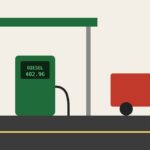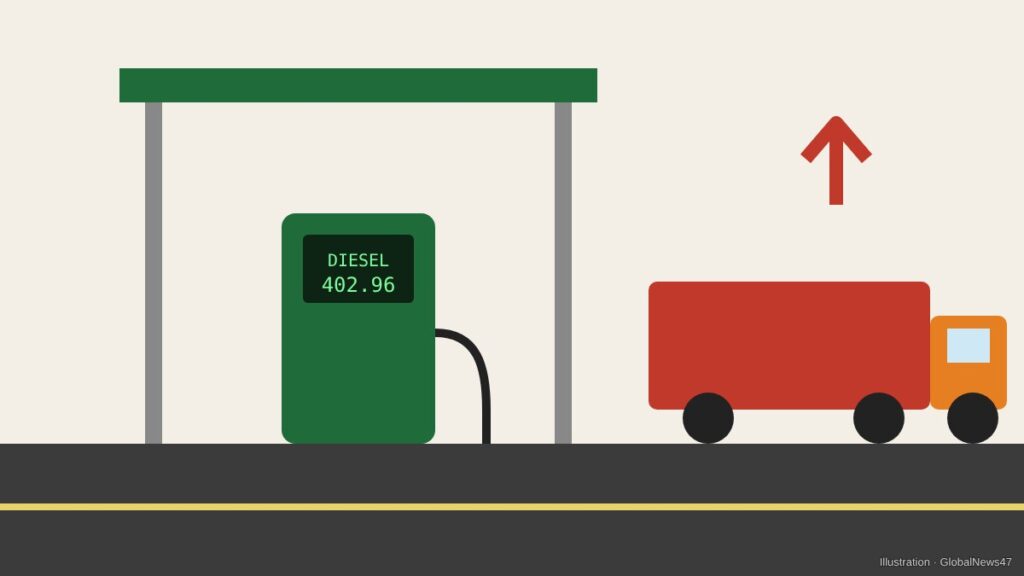
Pakistan has raised the price of high-speed diesel again while leaving petrol untouched, keeping the fuel used by trucks, buses, tractors and generators above the Rs400-a-litre mark for the coming weekend.
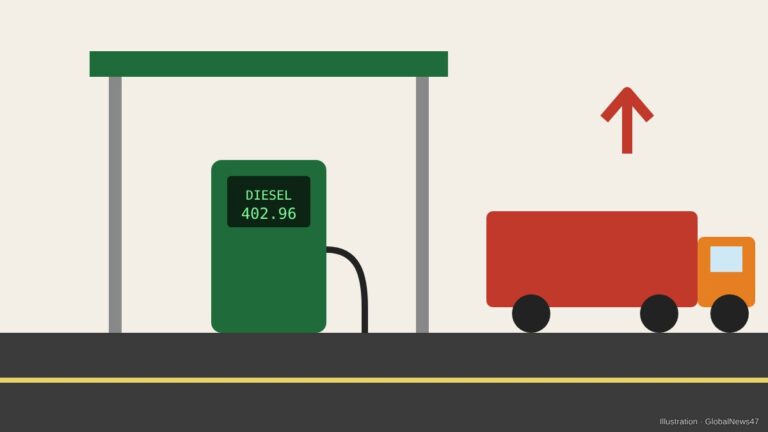
Under the revision announced on Friday, October 30, diesel rose by Rs2.29 to Rs402.96 per litre. Petrol stays at Rs377.91. The new rates apply from Saturday, October 31, to Monday, November 2, according to the official notification reported by Dawn and The Express Tribune.
The new prices at a glance
- High-speed diesel: Rs402.96 per litre, up from Rs400.67 (an increase of about 0.6%)
- Petrol: Rs377.91 per litre, unchanged
- Valid: October 31 to November 2
The rise looks small on its own, but it is part of a steady upward drift. The previous revision had already pushed diesel above Rs400. For a goods transporter filling a 200-litre tank, Friday’s change adds roughly Rs458 per fill.
Why prices now change every few days
When war between the US and Iran began on February 28 and sent global oil markets into turmoil, Pakistan switched to weekly price revisions in early March. Then, on July 17, the government gave Pakistan’s oil regulator, Ogra, the job of setting fuel prices on a daily basis in line with international market trends. Petroleum Minister Ali Pervaiz Malik said at the time that the change was needed because of sharp swings in world prices.
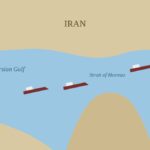
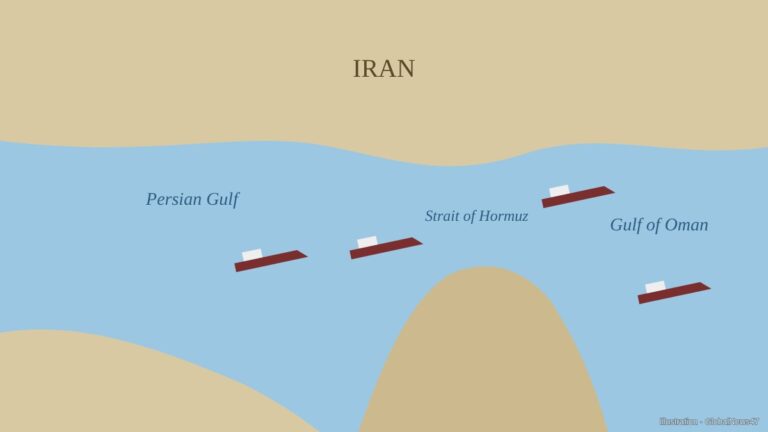
Those swings have not gone away. Brent crude, the main international benchmark, was trading at about $117.56 a barrel on Friday, up more than 2% on the day, after an attack on a tanker in the Strait of Hormuz and as Washington again raised the possibility of renewed hostilities with Iran, The Express Tribune reported. Pakistan imports most of its petroleum, so movements like these feed quickly into local pump prices.
How far prices have come
The current level is well below this year’s peak but far above where it started. Diesel was around Rs281 a litre before the war and hit a high of Rs520.35 on April 3, according to Dawn. Today’s price is about 22% below that peak, but roughly 43% higher than before the conflict.
Petrol followed a similar path. It began rising from Rs266 in early March and peaked at Rs458.41, also on April 3. At Rs377.91 it is about 18% below the peak and around 42% above its pre-war level.
Taxes remain a large part of the bill. According to Dawn, levies and duties still add roughly Rs114 to every litre of petrol and Rs100 to every litre of diesel, about a quarter of the diesel price and about 30% of the petrol price.
Who feels it most
Petrol mainly affects private cars, motorcycles and rickshaws, which makes it a direct concern for middle- and lower-income families. Diesel works differently. It powers heavy transport, farm machinery, some power plants and large generators, so higher diesel prices tend to push up freight charges and, over time, the cost of food and other goods.
That matters at a time when short-term inflation is still in double digits. The Pakistan Bureau of Statistics’ Sensitive Price Indicator was 11.32% higher year on year in the week ended October 29, with diesel itself up about 45% compared with a year earlier, according to The Express Tribune.
Relief measures and political pressure
The government has tried to cushion the poorest users. Under a scheme announced by Prime Minister Shehbaz Sharif on September 13, owners of motorcycles, three-wheel rickshaws and cars of up to 800cc can receive Rs100 per litre off petrol, capped at 20 litres a month for two- and three-wheelers and 30 litres for small cars. The scheme is meant to cover an estimated 11.8 million people. It does not apply to diesel.
Austerity steps reintroduced in September remain in force, including a 9pm closing time for most shops and markets and a 50% cut in fuel allocations for official vehicles for three months.
Pressure for wider relief is building. Jamaat-i-Islami chief Hafiz Naeemur Rehman met the prime minister on Tuesday to press for the petroleum levy to be scrapped. They agreed to set up a joint panel to look at expanding the relief scheme, but Rehman has said his party will march on Islamabad in mid-November if no major relief is announced by then.
What comes next
The current rates expire after November 2, when a fresh notification is expected. Its direction will depend largely on oil markets, which in turn hinge on whether mediation between Iran and the United States holds. Motorists and businesses should expect further small adjustments either way, and the question of whether the government cuts the levy is likely to stay at the centre of the political debate this month.
Related on Global News 47: Oil Prices: Iran Truce Hopes Keep Markets on Edge
Sources & References
- Dawn: Petrol price unchanged, high-speed diesel raised by Rs2.29
- The Express Tribune: Govt increases diesel price by Rs2.29, petrol remains unchanged until Nov 2
- The Express Tribune: Energy, food keep SPI in double digits
- Primary source (not accessed directly): Ogra / Petroleum Division price notification for October 31 to November 2, 2026, as reported by Dawn and The Express Tribune