

Somali piracy is surging as the wider impact of the US-Iran war creates new risks for commercial shipping around the Gulf of Aden and the Red Sea.
Pirates seized two cargo vessels in the Gulf of Aden within four days last week. The incidents brought the number of reported attacks this year to at least 13.
The latest attacks have raised fresh concerns about maritime security in a region that plays a vital role in global trade.
Experts say the pirates may be taking advantage of increased international military activity farther north.
Conflict Creates New Opportunity for Pirates
The US and Iran continue to clash over the strategic Strait of Hormuz.
At the same time, Iran’s Houthi allies in Yemen have imposed a targeted blockade around the Bab al-Mandab Strait. The move has added further pressure to an already unstable shipping environment.
European Union naval officials believe the pirates may see an opportunity because international forces have shifted attention toward other regional crises.
Omar Mahmood, a senior Somalia analyst at the International Crisis Group, described piracy as a crime of opportunity.
He said current events may be creating exactly that opportunity for pirate networks.
Two Ships Seized in Four Days
Among the latest vessels seized was the Cameroon-flagged MV Lutuf.
Pirates attacked the ship off Somalia’s semi-autonomous Puntland region on August 17.
Several days later, pirates boarded the Eritrean-flagged oil products tanker MT Sibu 1 in waters near Yemen.
The incidents have raised concerns about a possible expansion of pirate activity beyond Somalia’s immediate coastline.
Drone Strikes Follow Lutuf Hijacking
The Lutuf hijacking has also produced an unusual military response.
Thirteen men allegedly linked to a network supplying the pirates have died in two drone strikes since August 18.
No party has officially claimed responsibility for the attacks. However, local officials have accused Turkey of carrying them out.
The allegations remain unverified.
The Lutuf is now reportedly among six vessels held by pirates for ransom. Four of those ships are anchored near Bander Beyla, an area in Puntland known for pirate activity.
Somali Piracy Once Reached Much Higher Levels
The current situation remains far below the peak of Somali piracy more than a decade ago.
In 2011, Somali pirates carried out more than 200 attacks and held hundreds of crew members hostage.
An international naval response, combined with improved security measures aboard commercial vessels, dramatically reduced pirate attacks.
However, experts say the underlying networks never completely disappeared.
Economic hardship and insecurity in Somalia continued to provide conditions that could support a renewed piracy threat.
Foreign Fishing Fuels Local Anger
Local grievances are also contributing to the latest resurgence.
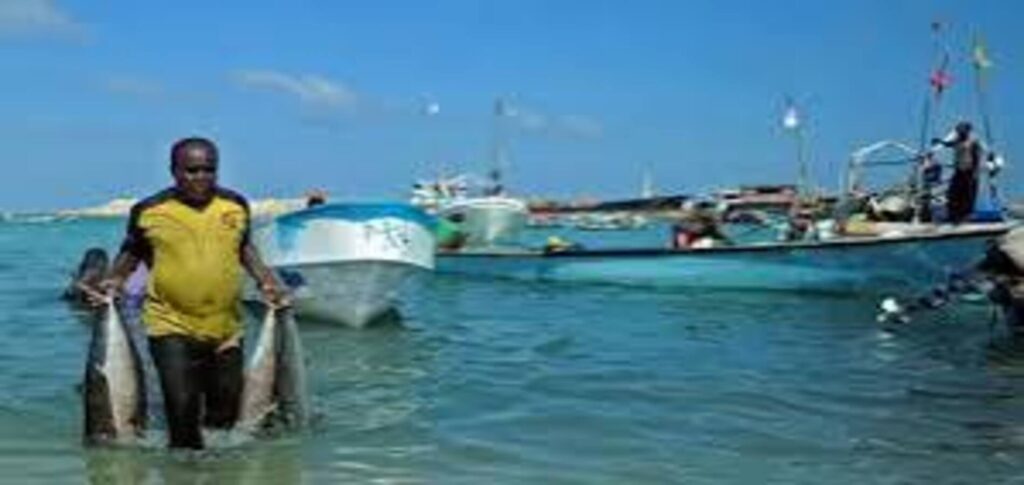
Communities in Puntland depend heavily on fishing. Anger has grown over foreign trawlers that allegedly overfish Somali waters and damage local livelihoods.
At the same time, commercial ships now have more reasons to sail closer to Somalia’s coastline.
Regional instability has pushed some vessels south to avoid dangerous waters farther north.
That creates more potential targets for pirates.
Tankers Offer Bigger Ransom Opportunities
High oil prices have also increased the potential value of hijacking a tanker.
Analysts say the combination of more commercial vessels and fewer naval patrols could encourage additional attacks.
Once pirates successfully seize a vessel, other criminal groups may attempt similar operations.
Researchers have also raised concerns about possible cooperation between Somali pirate networks and criminal groups operating around Yemen.
However, experts have found no clear evidence that Iran is directing the recent attacks.
MT Sibu 1 Raises Iran Connection
The seizure of the MT Sibu 1 has attracted particular attention because the vessel was reportedly linked to an Iranian shadow fleet.
Such vessels transport petroleum products while attempting to evade international sanctions.
Analyst Omar Mahmood said he did not see evidence that the latest piracy activity was specifically directed by Iran.
That distinction is important because the regional conflict has created speculation about possible links between piracy and geopolitical actors.
Turkey’s Role Comes Under Scrutiny
Turkey has also become part of the controversy surrounding the Lutuf.
Puntland security sources and a Somali government official told the BBC that the ship was carrying weapons for a Turkish military training facility in Mogadishu.
Turkey maintains a security partnership with Somalia and supports efforts to strengthen the country’s maritime capabilities.
A Somali official alleged that Turkey carried out one of the drone strikes against the suspected pirate network.
Turkey’s defence ministry confirmed that its forces were providing necessary support to Somali authorities under the countries’ security agreement. However, it did not confirm responsibility for the deadly drone attacks.
Puntland Demands Answers
Puntland authorities have made stronger accusations against Turkey.
Deputy Security Minister Abdirahman Yusuf said his administration had evidence linking Turkey to the attacks.
The BBC has not independently verified those claims.
Puntland’s security ministry also criticized international military strikes against suspected pirates and called for an explanation.
The dispute could further complicate relations between Puntland and Somalia’s federal government.
Piracy Threat Remains Contained for Now
Experts caution that Somalia has not yet experienced a full-scale return to the piracy crisis of the early 2010s.
Nevertheless, the recent attacks show how quickly maritime risks can grow when regional conflicts disrupt shipping routes.
The US-Iran war, instability around the Red Sea and Bab al-Mandab, fewer naval patrols and increased commercial traffic have created a difficult security environment.
Unless international deterrence increases and regional tensions ease, Somali piracy could continue to threaten one of the world’s most important maritime corridors.