

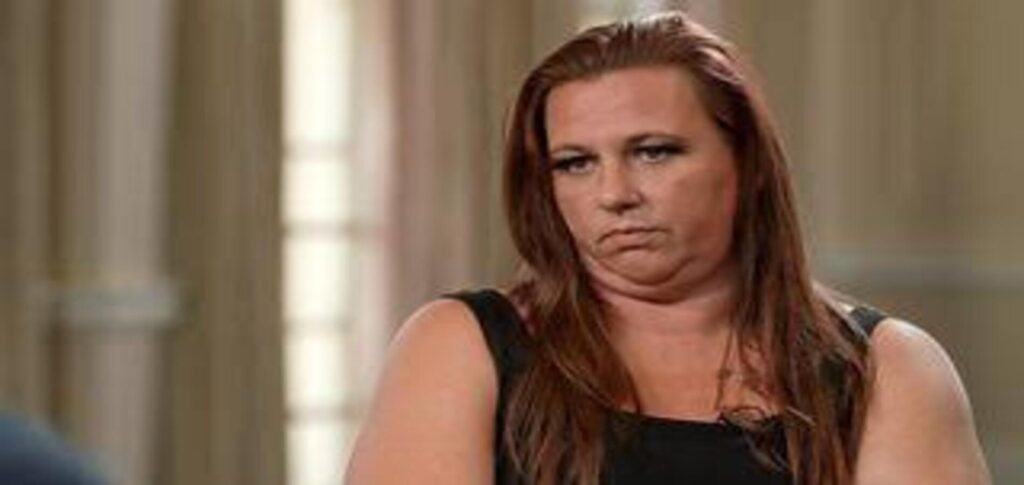
A survivor of an attack by double murderer Simon Levy says police and justice system failures allowed him to remain free and assault more women years later.
Laura, who has chosen not to reveal her surname, reported Levy to police after he sexually assaulted her in 2018. She later learned that Levy had gone on to attack 14 more women and murder two.
Levy was convicted of murdering Carmenza Valencia-Trujillo and Sheryl Wilkins in London in 2025. He was also convicted of raping another woman. The court is due to sentence him on Wednesday.
Earlier this year, Levy was convicted of sexually assaulting 11 other women. Ten of those offences occurred on trains and the London Underground between 2023 and 2025.
Survivor Says Police Could Have Prevented Further Crimes
Laura says her experience with Levy permanently changed her life. She now believes stronger action by authorities could have prevented further attacks and possibly saved lives.
“They could have prevented so many women from being hurt. They could have prevented two women from losing their lives.”
She criticised the Metropolitan Police, the Crown Prosecution Service and the courts, arguing that a series of decisions allowed Levy to remain in the community despite his history of sexual offending.
Laura also expressed sympathy for the other victims and the families of the women Levy murdered.
Laura Reported Levy After 2018 Assault
Laura met Levy while travelling with a friend to the Notting Hill Carnival in August 2018.
According to her account, Levy approached the women on the London Underground before following them and sexually assaulting Laura.
She managed to push him away and attempted to escape with her friend. Levy continued following them until a group of men intervened after Laura explained what had happened.
Laura then approached police officers for assistance. However, she says she felt her complaint was not treated with sufficient urgency.
She claims two officers told her they were dealing with other matters before a third officer eventually recorded her details.
Laura also says police did not immediately search for Levy, despite her and her friend having a photograph of him.
The Metropolitan Police later said a crime report was created the following day and that officers conducted several enquiries before identifying and arresting Levy.
Levy Was Convicted but Later Released
Laura eventually provided a formal statement 15 days after the assault. She also attended an identification parade the following year.
The case took three years to reach court.
In 2021, Levy was convicted of sexually assaulting Laura and another woman. He received a three-year prison sentence.
However, he was later released on licence. This followed another sexual assault conviction involving a prison officer.
Levy subsequently returned to the community and continued committing offences.
Earlier Police Investigation Raises Questions
Laura later discovered that authorities had investigated Levy over an alleged sexual assault in 2017.
Police and prosecutors did not charge him at the time. The Metropolitan Police and CPS have since acknowledged that the decision was wrong.
For Laura, that revelation raised painful questions about whether earlier action could have prevented her own assault.
“Had they charged him in 2017, I may not have even ever had to go to court.”
She believes the failure to act earlier allowed Levy to continue posing a danger to women.
Murder Convictions Shock Survivor
Laura discovered Levy’s murder case earlier this year after searching for his name online.
Learning that he had murdered two women left her devastated and brought back memories of her own experience.
She said the news also made her think about the fear and distress experienced by other victims.
Levy’s convictions have since highlighted concerns about how authorities identify and manage repeat sexual offenders.
Survivor Calls for Better Protection
Laura now wants police, prosecutors and other authorities to improve their response to violence against women and girls.
She believes victims should receive immediate support and that their allegations should be taken seriously from the moment they report them.
“I hope that other victims in the future will be believed, will be dealt with differently, will be listened to straightaway.”
Her experience has raised broader questions about whether earlier intervention could prevent repeat offending.
For Laura, the issue extends far beyond her own assault. She believes failures at several stages of the justice process may have allowed Levy to continue offending and ultimately contribute to the deaths of two women.