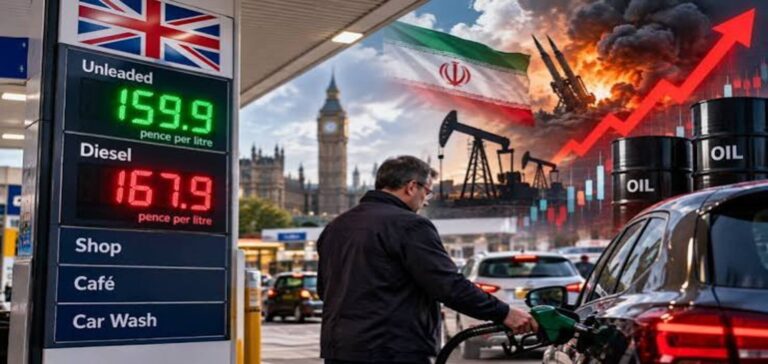

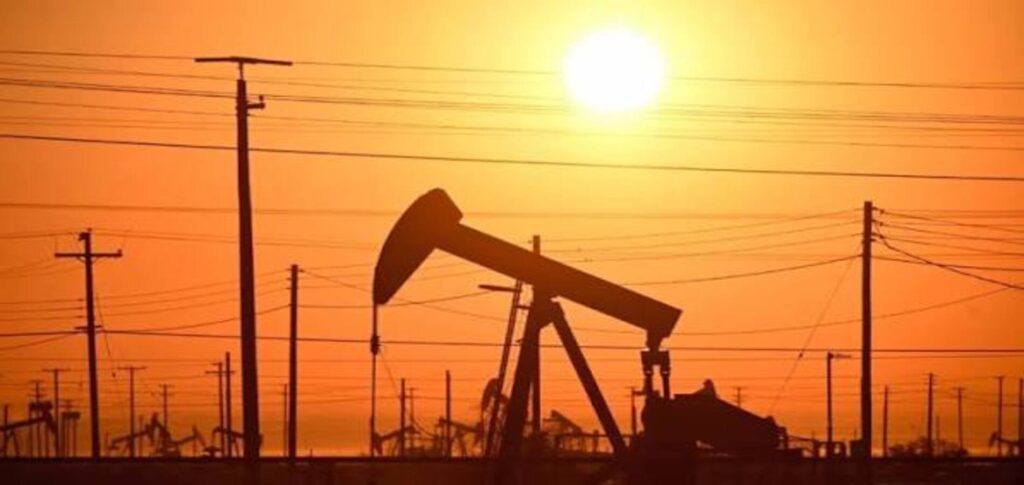
Oil prices fell by more than $1 a barrel on Monday as investors took profits ahead of an expected US announcement on new sanctions against Iran.
The potential measures could further disrupt oil supplies from the Middle East, adding another layer of uncertainty to global energy markets.
Brent crude futures fell $1.23, or 1.3%, to $93.16 a barrel by 0329 GMT. US West Texas Intermediate crude dropped $1.36, or 1.6%, to $85.70 a barrel.
Both benchmarks gained more than 5% last week, marking their second consecutive weekly increases.
US Plans Tougher Iran Sanctions
US Treasury Secretary Scott Bessent was scheduled to hold a press conference on Monday, where Washington was expected to outline new measures against Iran.
Bessent has warned that the United States could introduce what he described as the “toughest sanctions in history” against Tehran.
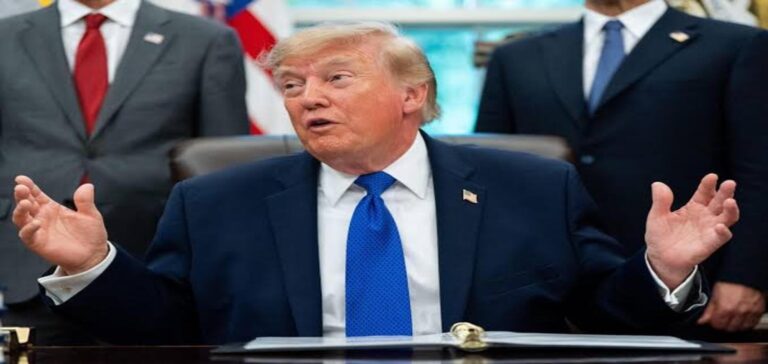
President Donald Trump has also threatened sanctions against countries and companies that continue trading with Iran.
The planned measures come as negotiations between the United States and Iran remain stalled.
That deadlock has already affected shipments through the Strait of Hormuz, a crucial energy route that previously carried about a fifth of global oil supplies.
Iran Warns Against US Pressure
Iran has condemned Washington’s plans for additional sanctions.
At the same time, Iranian President Masoud Pezeshkian has called for a diplomatic solution to the dispute.
Analysts say the response from Iran’s leadership could determine the next direction for energy markets.
Vivek Dhar, a commodities analyst at Commonwealth Bank of Australia, said it remains unclear whether US efforts to isolate Iran economically will succeed.
However, he warned that a successful sanctions campaign could increase the risk of a stronger Iranian response.
IG Markets analyst Tony Sycamore said some members of Iran’s leadership may prefer to reduce tensions, while hardliners could push for continued confrontation.
Iranian Oil Supplies Face Pressure
Offers of Iranian crude to Chinese buyers have reportedly declined, while prices have increased as US pressure disrupts Tehran’s shipments.
The situation has added to concerns about global oil supplies.
Iran has also allowed several Iraqi oil tankers to pass through the Strait of Hormuz after repeated requests from Baghdad, according to Iran’s state news agency IRNA.
The move could provide some relief for regional energy flows, but analysts remain cautious about the outlook.
Middle East Supply Recovery Could Take Longer
Some analysts now expect Middle Eastern oil supplies to recover more slowly than previously forecast.
Morgan Stanley analysts said crude supplies are tightening, while oil held on water and onshore inventories have also declined.
They pointed to lower exports from the Middle East as a major factor behind the tighter market.
With the US preparing new sanctions and tensions with Iran continuing, traders will closely watch developments around the Strait of Hormuz and the broader Middle East supply situation.
For now, oil prices are pulling back after their recent gains, but the threat of further supply disruptions could keep energy markets highly volatile.