
Former laboratory chimpanzees in Liberia are receiving detailed medical examinations as part of a long-term effort to protect their health and improve their quality of life.
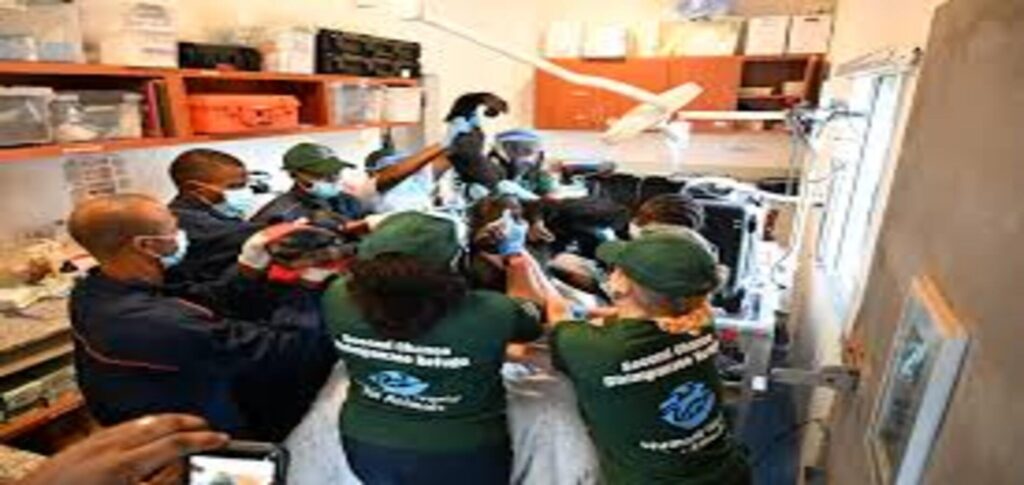
The Liberia chimpanzee health checks took place at the Humane World for Animals’ Second Chance Chimpanzee Refuge. The veterinary team carried out a range of procedures, from dental cleaning and eye examinations to X-rays and blood tests.
The chimpanzees once lived through years of invasive biomedical research. Now, they are spending their later years in a protected sanctuary environment.
Former Research Chimps Receive Full Medical Exams
Veterinarians placed the chimpanzees under anesthesia so they could safely conduct thorough examinations.
The checks covered their teeth, eyes, heart, lungs, abdomen and nervous system. The team also performed blood tests and heart scans.
In addition, the animals received booster vaccinations and fingernail trims.
These examinations allow veterinarians to identify health problems early. They can also create individual care plans as the chimpanzees grow older.
More Than 400 Chimps Were Once Used in Research
More than 400 chimpanzees were involved in research at a laboratory facility in Liberia over several decades.
Many were captured from the wild as infants. Researchers used them in studies involving hepatitis and other diseases.
The research program eventually ended. However, many of the surviving chimpanzees could not return to the wild after years of captivity and medical experimentation.
As a result, they needed a permanent home where caregivers could protect them for the rest of their lives.
Sanctuary Offers a More Natural Life
Humane World for Animals took permanent responsibility for the remaining chimpanzees in 2015.
Today, many of them live across mangrove-covered islands at the Second Chance Chimpanzee Refuge. They can move around freely and interact with other chimpanzees in social groups.
The sanctuary aims to provide an environment that resembles life in the wild as closely as possible.
Caregivers also provide fresh food, medication and regular veterinary attention.
Health Problems Can Appear With Age
The chimpanzees are now older animals, with many reaching around 30 to 35 years of age.
Their years in laboratories also left them with complex medical histories.
Therefore, regular examinations are particularly important.
Veterinarians can monitor changes in their health and respond before small problems become serious. The sanctuary says the current checks form part of its lifelong commitment to each animal.
Experts Highlight the Cost of Animal Research
The chimpanzees’ history has also renewed discussion about the use of animals in scientific research.
Dr. Mark Ofua, a veterinarian and West Africa representative for Wild Africa, said animals used in research can experience confinement, social disruption and lasting physical and psychological harm.
He has called for strict rules governing experimental research involving animals.
At the same time, animal welfare groups continue to push for alternatives that can reduce the need for invasive animal experiments.
A Second Chance for Liberia’s Chimpanzees
The sanctuary’s veterinary work represents a major change in the animals’ lives.
Instead of laboratory procedures, their current care focuses on comfort, prevention and long-term wellbeing.
The latest examinations will help veterinarians understand the individual needs of the chimpanzees. The sanctuary also plans to conduct similar checks on the remaining animals.
For the caregivers, however, the mission goes beyond medical treatment.
They want the chimpanzees to spend the rest of their lives safely and with dignity.
After years of research and captivity, the animals now have a protected home where their welfare comes first.