

Oil prices climbed sharply on Monday as fresh attacks on Saudi energy infrastructure raised fears of tighter global supplies. At the same time, warnings from artificial intelligence leaders triggered a sell-off in technology stocks.
The combination created a difficult session for investors.
Brent crude moved back toward $110 a barrel after Saudi Arabia shut its East-West pipeline following drone attacks. The pipeline provides an important route for moving Saudi oil toward the Red Sea while avoiding the Strait of Hormuz.
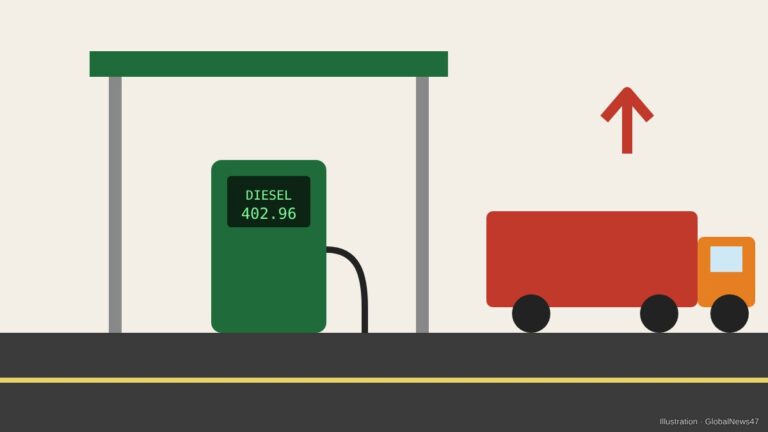
Meanwhile, US diesel prices climbed above $6 a gallon, adding another potential source of pressure for transport, farming and construction costs.
Middle East tensions push oil higher
The Saudi pipeline closure added another layer of uncertainty to an already disrupted oil market.
The 1,200-kilometre East-West pipeline has helped Saudi Arabia move crude without relying entirely on the Strait of Hormuz. However, the wider Middle East conflict has sharply reduced shipping through the strategic waterway.
Houthi attacks have also increased concerns around the Red Sea and the Bab al-Mandab strait.
That matters because the route connects major trade flows between Europe and Asia. Any prolonged disruption could increase shipping costs and further tighten energy supplies.
By around 13:45 GMT, Brent crude had gained 3.8% to $108.57 a barrel. West Texas Intermediate rose 3.6% to $103.61.
The latest move adds to a sharp rise in oil prices during September. Investors now fear that higher energy costs could keep inflation elevated for longer.
Higher oil prices revive Fed concerns
The oil surge has also changed expectations for US monetary policy.
Investors had hoped the Federal Reserve would ease policy. However, rising energy prices and stubborn inflation now point in the opposite direction.
Markets increasingly expect the Fed to raise interest rates at its September meeting. Reuters reported that the central bank, under Chairman Kevin Warsh, is widely expected to increase its benchmark rate this week.
Higher rates could create another problem for financial markets.
They increase borrowing costs for companies and consumers. They can also make high-growth technology stocks less attractive.
That connection became especially important as technology shares fell sharply on Monday.
AI warnings add pressure to tech stocks
Oil was not the only concern facing investors.
Anthropic chief executive Dario Amodei called for greater caution over the pace of AI development. His warning added to growing concerns about the enormous investment flowing into artificial intelligence.
Investors are now questioning whether companies can generate profits quickly enough to justify the huge spending on AI infrastructure.
As a result, technology stocks faced broad selling pressure.
The Nasdaq fell 1.1% to 26,054.31 in the figures recorded around 13:45 GMT. The S&P 500 declined 0.6%, while the Dow Jones Industrial Average slipped 0.2%.
The concern goes beyond individual AI companies.
If investors reduce expectations for future AI profits, companies involved in chips, data centres and related infrastructure could also face pressure.
Global markets struggle
The weakness spread beyond Wall Street.
Asian markets posted mixed results, while several major European indexes moved lower. The FTSE 100 was an exception, rising 0.6% to 10,711.66.
France’s CAC 40 fell 0.8%, while Germany’s DAX lost 0.5%.
Earlier, Tokyo’s Nikkei 225 dropped 0.8%. Hong Kong’s Hang Seng Index gained 0.5%, while Shanghai’s Composite slipped 0.1%.
The dollar also strengthened as investors assessed the impact of higher oil prices and changing expectations for US interest rates.
The euro fell to $1.1537 from $1.1596 on Friday. The pound declined to $1.3474 from $1.3527.
Oil and AI create a double market shock
The combination of energy and technology concerns has created an uncomfortable backdrop for investors.
“Oil and AI fears” are creating a double challenge for markets, according to Russ Mould, investment director at AJ Bell.
Higher oil prices can push inflation higher. At the same time, higher interest rates can weaken demand and reduce the value investors place on future corporate earnings.
That creates particular pressure for technology companies, where valuations often depend heavily on expectations for future growth.
For now, investors face two major questions.
First, how long will Middle East supply disruptions keep oil prices elevated? Second, can the huge investment in artificial intelligence deliver the profits markets expect?
The answers could shape financial markets well beyond Monday’s session.