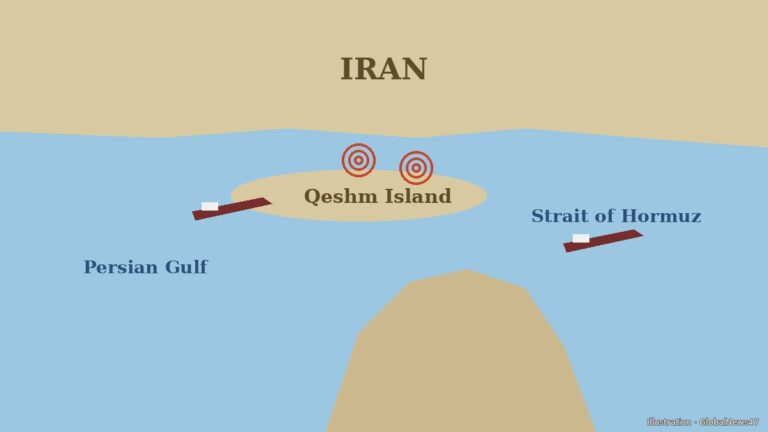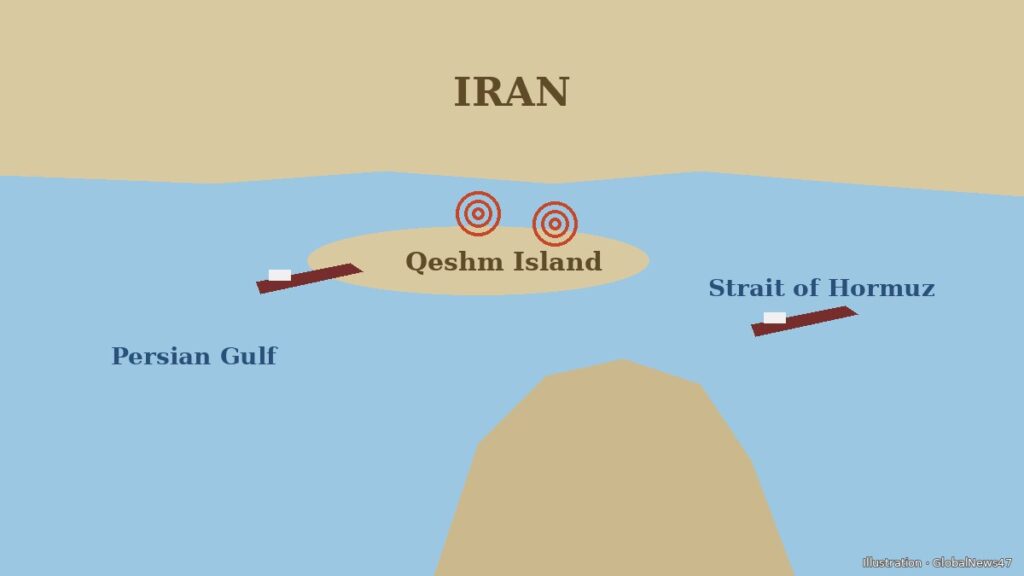
US strikes on Qeshm Island, an Iranian island in the Strait of Hormuz, have added fresh tension to talks aimed at ending the war with Iran. Washington called the action limited and defensive, according to US officials. At the same time, Qatar says both sides are still reviewing proposals to end the conflict. This report is as of Tuesday, November 3, 6:30 PM PKT.
What we know about the US strikes on Qeshm Island
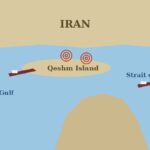
Late on Monday, Iran’s state news agency IRNA said blasts had been heard on Qeshm Island. It later counted five explosions. Al Jazeera notes it was the first US attack on the island since June. Separately, the semi-official Fars agency said explosions were heard from the sea near Bandar Lengeh in Hormozgan province. Neither agency gave details of casualties or damage.
US officials then confirmed the strikes to several American outlets, including CBS, the BBC’s US partner. One official said the action was not a return to major combat. Instead, officials said it was a response to Iranian forces firing on a US aircraft, including with surface-to-air missiles. The Wall Street Journal reported that it was the latest in a series of US strikes in recent weeks.
However, the US military has not commented publicly. The Pentagon referred questions to Central Command, which did not respond, according to The Express Tribune.
For its part, Iran’s Revolutionary Guard (IRGC) did not address the strikes directly. Instead, it said it had downed two US MQM-170 drones south of Qeshm and an MQ-9 drone east of the strait. No one has independently verified these claims. Last week, the US military rejected an earlier Iranian claim about capturing a drone of the same type.
Diplomacy continues through Qatar and Pakistan
Despite the strikes, both sides say talks are continuing. Iran’s foreign minister, Abbas Araghchi, told IRNA that “very intensive” contacts with Washington were under way through mediators from Qatar and Pakistan.
In Doha, foreign ministry spokesman Majed al-Ansari said on Tuesday that both parties were reviewing the ideas and proposals Doha had presented. He added that Qatar remained hopeful of a deal. “Both parties remain committed to the negotiation process,” he told reporters.
Meanwhile, Iran’s chief negotiator, parliament speaker Mohammad Bagher Ghalibaf, said Tehran had given Washington a “firm and rational” response. “The ball is now in America’s court to prevent war,” he said. Yet he also warned that any new attack would meet a response not limited by geography.
Mixed signals from Washington
On the US side, the messages have been mixed. On Monday, Vice President JD Vance told reporters that the US had made “progress” and that he and Trump felt “pretty good” about a possible settlement. He also said no deadline had been set.
Trump, for his part, told Axios he was in “no rush” to increase strikes. Still, in a Fox News interview, he said US forces “might need to go after” Pickaxe Mountain. That underground site is tied to Iran’s nuclear work.
Adding to the uncertainty, the Associated Press cited two regional officials. They said Israeli Prime Minister Benjamin Netanyahu, in a phone call at the weekend, urged Trump to launch another wave of strikes after the US midterm elections. Neither government has confirmed that report.
In contrast, a senior Iranian official told Reuters that a deal was still far off and that Tehran would not accept what it called “excessive demands”.
Why the Strait of Hormuz matters
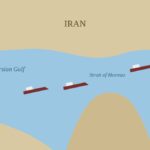
About a fifth of the world’s oil and gas shipments normally pass through the Strait of Hormuz. However, it has been largely shut since the war began in February. Iranian attacks on ships and a US naval blockade of Iranian ports have both disrupted traffic.
A preliminary deal in June to reopen the strait collapsed within weeks. Last week, Iranian negotiators reportedly discussed reopening it within two days if the US met seven conditions. According to the BBC, these include lifting the naval blockade and releasing frozen Iranian assets.
For Pakistan, the stakes are high. The country relies heavily on Gulf energy, and fuel prices at home have tracked the conflict closely. Moreover, Islamabad is one of the main mediators, so any breakthrough or collapse will directly affect its diplomacy.
What to watch next
The next few days may prove decisive. Several reports suggest Washington could decide on its next step after the midterm vote. Therefore, the key signals will be any formal US reply to Iran’s response, further strikes around the strait and new statements from Doha or Islamabad.
Related on Global News 47: Iran’s Khamenei Orders Readiness for Unlimited Response as Mediators Push Talks · US Iran Phased Deal Could Reopen Strait of Hormuz
Sources & References
- BBC News: US strikes Iranian island ahead of midterm elections
- The Express Tribune (Reuters, agencies): US strikes Iran’s Qeshm Island as IRGC claims downing of two more US MQM-170 drones
- The Express Tribune: US and Iran review draft proposal to end war, Qatar says
- Dawn: US signals progress in Iran talks to avert flare-up
- Al Jazeera: US hits Qeshm Island, Pezeshkian signals more diplomacy: Iran war latest