
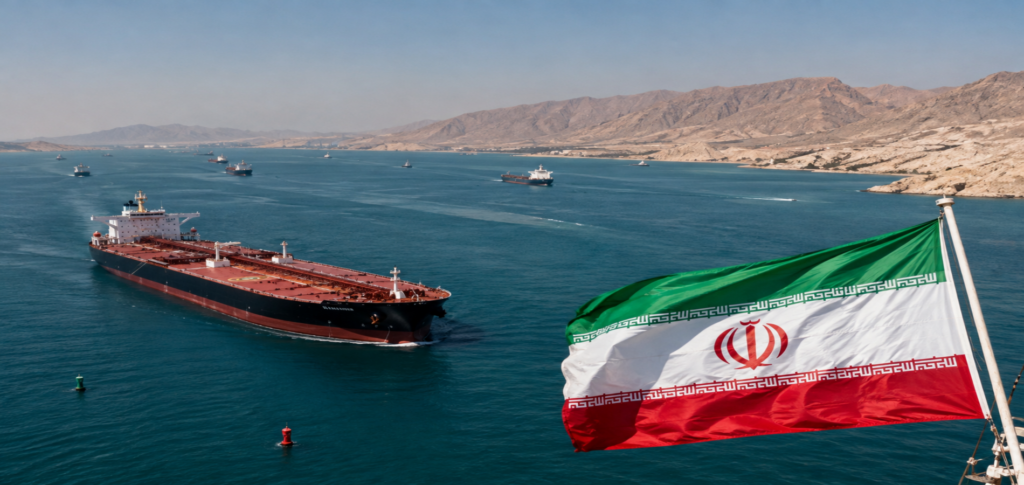
The Strait of Hormuz reopening will depend on whether the United States “fully” accepts Iran’s conditions, according to Sardar Mohebi, a spokesperson for Iran’s Islamic Revolutionary Guard Corps (IRGC).
Mohebi said the reopening would not depend solely on an understanding reached between Iran and Oman. Instead, Tehran would make its final decision based on Washington’s response to its demands.
His comments come as regional governments intensify diplomatic efforts to reduce tensions and prevent the crisis from developing into a wider conflict.
Iran and Oman Reach Framework for Understanding
A spokesperson for Iran’s parliamentary National Security and Foreign Policy Committee said Tehran and Oman had reached a general framework for an understanding.
According to reports from the region, the framework still requires approval at a higher level before it can become final.
The development could influence negotiations over the Strait of Hormuz reopening, which has become a major issue for regional security and global energy markets.
Saudi Arabia, Türkiye and Pakistan Sign Defence Pact
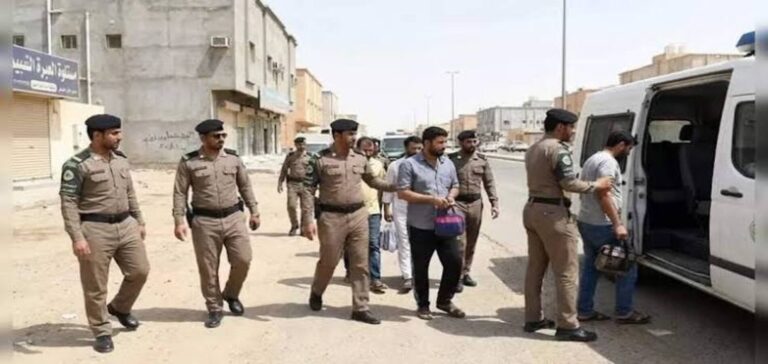
Regional tensions remain high as Saudi Arabia, Türkiye and Pakistan strengthen their security cooperation.
The three countries signed a mutual defence pact in Mecca, declaring that an armed attack against one member would be treated as an attack against all three.
The agreement adds another dimension to the changing security landscape across the Middle East and surrounding regions.
Iran Says It Does Not Seek War
Iranian President Masoud Pezeshkian said Tehran does not seek war or territorial expansion.
However, he stressed that Iran would not surrender to what he described as “coercion.”
His comments came as diplomatic efforts continue alongside heightened military and political tensions between Iran and the United States.
Why the Strait of Hormuz Matters
The Strait of Hormuz is one of the world’s most important energy routes. Large volumes of oil and liquefied natural gas pass through the narrow waterway connecting the Persian Gulf with the Gulf of Oman.
Any prolonged disruption could affect international shipping, energy prices and global markets.
As a result, the Strait of Hormuz reopening has become a major international concern, particularly as tensions between Tehran and Washington remain high.
Key Takeaway
Iran’s IRGC says the Strait of Hormuz reopening remains conditional on the United States fully accepting Tehran’s demands. Meanwhile, Iran and Oman have reportedly reached a preliminary framework, while Saudi Arabia, Türkiye and Pakistan have strengthened their defence cooperation.