
The European Union has unveiled a new round of sanctions targeting Russia’s military-industrial complex, aiming to weaken Moscow’s ability to sustain its war in Ukraine. The latest package focuses on companies and individuals linked to the production of long-range attack drones, satellite communications and other technologies that support Russia’s armed forces.
European officials say the measures are designed to increase pressure on the Kremlin while strengthening Ukraine’s battlefield position and Europe’s long-term security.
EU Expands Military Sanctions
The EU’s 21st sanctions package adds 56 military-related entities and individuals to its blacklist, including manufacturers of advanced weapons systems and suppliers of dual-use technologies.
According to EU foreign policy chief Kaja Kallas, the sanctions specifically target companies involved in producing long-range drones and other equipment used in attacks against Ukrainian civilians and infrastructure.
The package also extends restrictions to firms in third countries that continue supplying Russia with components for missiles, drones, tanks and other military equipment.
Garpiya Drone Network Comes Under Pressure
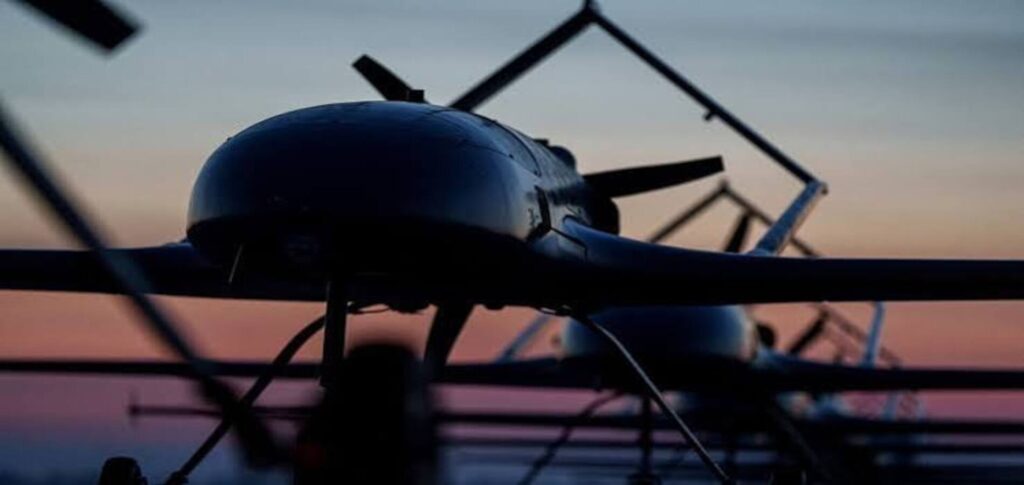
A key feature of the sanctions targets the manufacturing network behind Russia’s Garpiya long-range attack drones.
European officials said investigators mapped the drone’s production chain before imposing sanctions on more than 30 companies and individuals connected to its development.
The measures target manufacturers responsible for producing:
- Drone warheads
- Rocket boosters
- Launch catapults
- Guidance systems
- Other critical military components
The EU believes that disrupting this supply chain could reduce Russia’s ability to conduct long-range aerial attacks against Ukraine.
Satellite Communications Also Targeted
Another major focus of the sanctions is Rassvet, Russia’s developing satellite internet network, which aims to become a domestic alternative to Starlink.
The system, operated by Russian aerospace company Bureau 1440, is intended to provide secure military and civilian communications through hundreds of low-Earth-orbit satellites.
European officials believe that restricting technology and suppliers connected to Rassvet could affect Russia’s future military communications capabilities.
Experts Say Impact Could Extend Beyond Ukraine
Security analysts say the sanctions may not immediately stop Russia’s military operations, but they could gradually weaken its technological capabilities.
Experts argue that limiting access to advanced drone components and satellite technology could reduce Russia’s long-term military effectiveness while strengthening Europe’s security outlook.
Analysts also stress that continued military assistance to Ukraine, including funding for advanced drones and missile programmes, remains important alongside economic sanctions.
Europe Maintains Pressure on Moscow
The latest measures demonstrate the European Union’s continued strategy of combining economic restrictions with diplomatic pressure to reduce Russia’s military capabilities.
EU officials insist that sustained international pressure remains essential if Moscow is to reconsider its military campaign in Ukraine and engage in meaningful negotiations.