
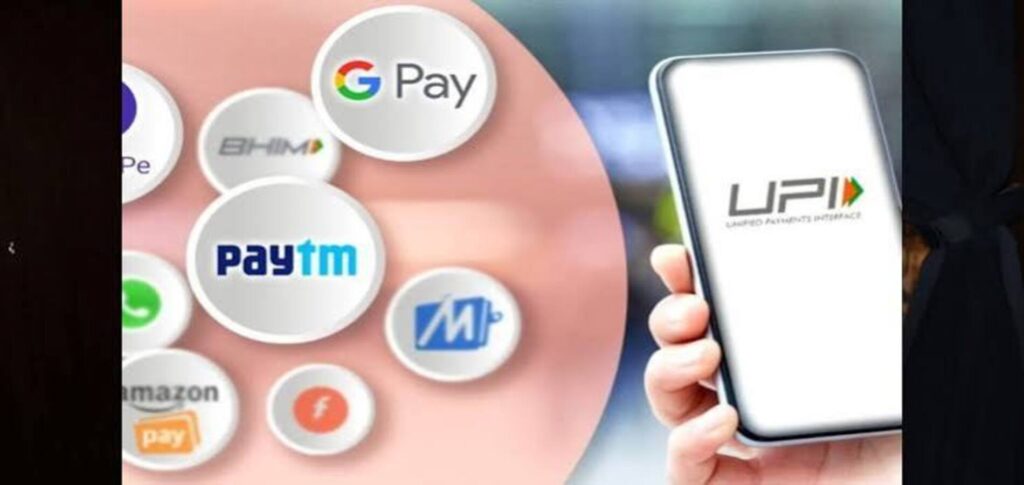
Walmart-backed PhonePe and Google Pay handled about 80% of India’s UPI payment value last month, according to the source data. Their dominant position could become even more valuable as India prepares to introduce merchant fees on some UPI transactions.
The new pricing model will end UPI’s six-year period as a free payment network. However, it could also give smaller payment companies a new reason to target higher-value transactions.
UPI Merchant Fees Set to Begin
India will introduce a merchant discount rate, or MDR, from October 15.
Under the new rules, merchants can face a fee of up to 0.4% on UPI transactions above 2,000 rupees, according to the source.
UPI has become one of India’s most widely used payment systems. More than 500 million people use it for everyday purchases, from small roadside payments to expensive electronics.
The new fee structure could create a significant revenue stream for payment companies.
Bernstein estimates that UPI merchant fees could generate as much as $1.1 billion annually for payment apps by March 2028. Based on their current market share, PhonePe and Google Pay could receive roughly $900 million of that total.
PhonePe co-founder Rahul Chari said the MDR could help payment companies offset their operating costs.
PhonePe and Google Pay Could Expand Into Rural India
Meanwhile, the new revenue opportunity could encourage the biggest UPI platforms to expand deeper into rural markets.
Two industry sources told Reuters that PhonePe and Google Pay could have stronger financial incentives to serve areas outside India’s largest cities.
Rural transactions often involve smaller amounts. However, payment activity can generate valuable customer data.
Companies can potentially use that information to develop financial products such as loans and other services.
As a result, UPI could become more than a payment network. It could also support wider financial services across rural India.
Smaller Rivals Target Higher-Value Payments
Smaller payment companies may take a different approach.
Instead of competing directly for every UPI transaction, rivals could focus on higher-value payments. These may include ticket bookings, utility bills, online shopping and business transactions.
MobiKwik is among the companies looking to expand its UPI presence. Co-founder Bipin Preet Singh said the new fee structure gives the company a stronger reason to continue investing in the ecosystem.
Furthermore, companies could use UPI to promote credit products and other financial services.
This strategy could help smaller firms compete in areas where payment volumes matter less than transaction value.
Market Concentration Remains a Concern
However, the growing revenue opportunity could also renew concerns about concentration in India’s digital payments market.
PhonePe and Google Pay already account for a large share of UPI activity. Their additional revenue could give them more resources for technology, customer incentives and expansion.
The National Payments Corporation of India, which operates UPI, has twice delayed a decision on a proposed 30% market-share cap.
That debate could return as merchant fees reshape competition.
Venture investors have also warned that larger companies may capture most of the benefits from the reform.
Merchants May Absorb the Extra Cost
At the same time, merchants are unlikely to immediately shift customers back to cash.
Regulations prevent merchants from directly passing the MDR to customers. Still, industry executives expect some businesses could indirectly absorb the cost through their pricing.
Retailers interviewed in Mumbai said UPI has become too important to abandon.
One clothing retailer manager told Reuters that around 80% of the store’s daily revenue comes through UPI. He said the business does not currently plan to pass the additional cost to customers.
Consumers also appear deeply accustomed to digital payments.
Therefore, analysts and industry participants expect UPI to remain central to everyday transactions despite the introduction of merchant fees.
The change could ultimately reshape competition across India’s digital payments industry. PhonePe Google Pay UPI dominance may strengthen, while smaller rivals search for profitable niches in higher-value payments and financial services.
SEO Tags: PhonePe Google Pay UPI, UPI payments India, PhonePe, Google Pay India, UPI market share, India digital payments, merchant discount rate, UPI fees, digital payment apps, Indian fintech