
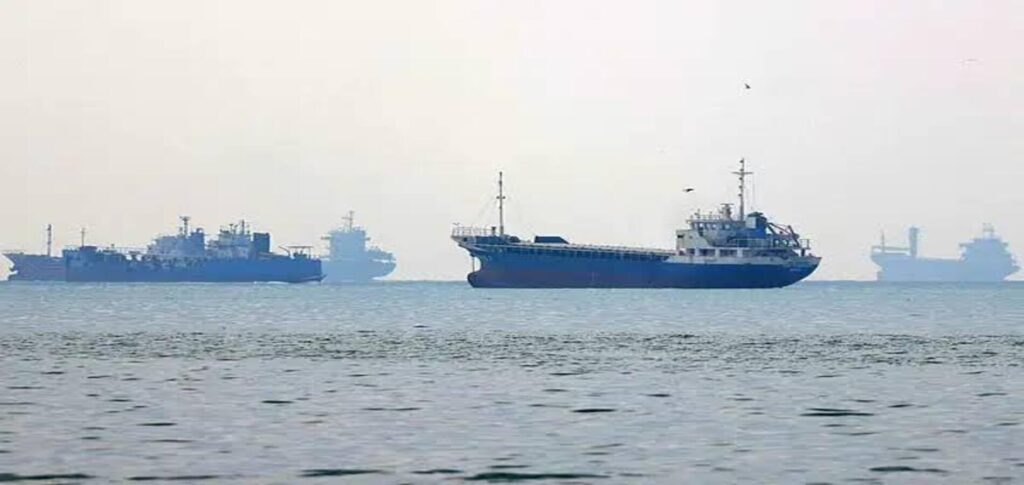
The South Korea Hormuz team has traveled to the United Arab Emirates to assess security and operational conditions around the strategically important Strait of Hormuz.
The South Korean Defence Ministry said Tuesday that the team left over the weekend. Officials stressed that the mission does not mean Seoul has decided to deploy troops to the waterway.
The team is expected to return to South Korea as early as this week. Its findings will then be reported to the National Security Council.
Seoul Keeps Troop Deployment Under Review
South Korea has repeatedly said that it has not made a final decision about sending military forces to Hormuz.
The government is considering different options, including military and non-military contributions aimed at supporting freedom of navigation. However, officials say any decision would also have to consider South Korea’s military readiness on the Korean Peninsula and domestic legal procedures.
The latest assessment mission will therefore give officials more information before they decide how to proceed.
US Pressure Adds to Seoul’s Dilemma
The issue has also created diplomatic pressure for South Korea.
U.S. President Donald Trump has repeatedly urged Seoul to contribute to efforts aimed at securing navigation through the strategic waterway. South Korean officials, however, have denied reports that Washington imposed a specific deadline for deployment.
Seoul must balance its alliance with Washington against the risks of becoming directly involved in the conflict.
Iran Warns South Korea Against Military Role
Iran has already warned South Korea about the consequences of any military involvement in the region.
Tehran said that military participation by another country in the Persian Gulf or Strait of Hormuz would be viewed as support for the opposing side. Iran also urged Seoul not to give in to what it described as American pressure.
The warning adds another complication as South Korea weighs its options.
Why the Strait of Hormuz Matters
The Strait of Hormuz is one of the world’s most important energy routes.
A large share of global oil and liquefied natural gas shipments normally passes through the narrow waterway. Continued disruption has therefore affected shipping and energy markets worldwide.
Recent reports indicate that commercial traffic through the strait remains severely reduced amid the conflict and security concerns.
For South Korea, the issue is especially important because the country depends heavily on energy imports passing through the region.
Possible Military Contributions Remain Unclear
South Korean officials have previously said that possible contributions could include both combat and non-combat roles.
Media reports have mentioned options such as maritime patrol aircraft, logistics support and mine-clearance capabilities. However, the government has stressed that discussions remain under review and that no final deployment decision has been made.
The latest fact-finding mission could help determine which options, if any, would be practical.
Seoul Faces a Difficult Choice
South Korea now faces a delicate decision.
Supporting international efforts to keep Hormuz open could strengthen its cooperation with Washington. However, a military role could also increase tensions with Iran and expose South Korean personnel to greater risks.
At the same time, Seoul must consider the economic consequences of prolonged disruption to energy shipments.
For now, officials are gathering information rather than committing forces.
What Happens Next?
The South Korea Hormuz team is expected to return after assessing the security and operational situation in the region.
Its findings will provide another piece of information for South Korean policymakers as they examine possible contributions.
For now, the government continues to emphasize that no decision has been made on troop deployment.
That leaves Seoul with several options as it weighs alliance commitments, energy security and the risks of deeper involvement in the Middle East conflict.