
Britain has cancelled a planned military training exercise in Kenya after the two countries failed to reach agreement on key defence arrangements, highlighting growing tensions over legal jurisdiction and accountability.
The cancelled exercise, which had been scheduled for September 2026, was called off after the necessary approvals were not secured. The development has raised fresh questions about the future of one of Britain’s longest-running military partnerships in Africa.
Defence Agreement at the Centre of the Dispute
The disagreement revolves around the UK-Kenya Defence Cooperation Agreement, which establishes the legal framework for British military operations in Kenya.
The agreement outlines rules covering military training, investigations, legal jurisdiction and the responsibilities of visiting British personnel. Kenyan officials have pushed for stronger accountability measures, particularly regarding legal oversight of foreign troops operating within the country.
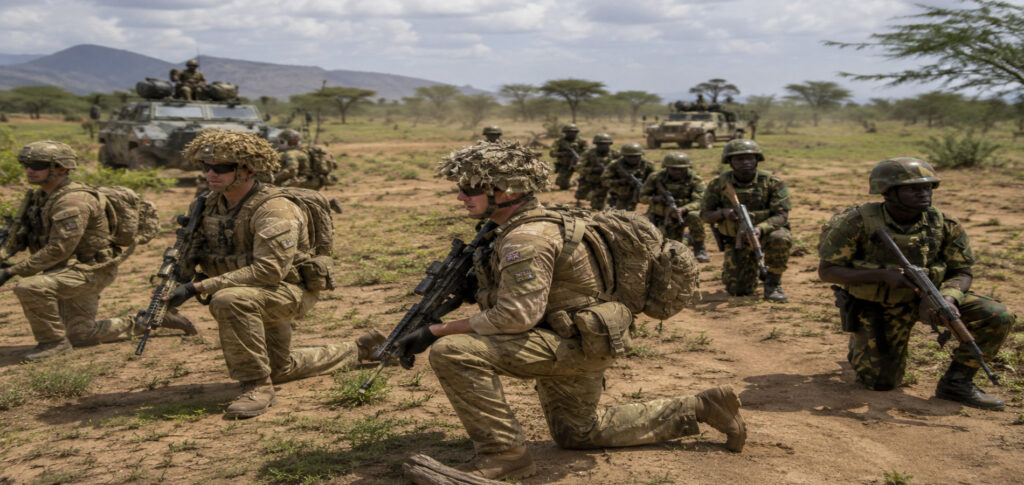
The issue has placed renewed focus on the British Army Training Unit Kenya (BATUK), which has served as the centre of British military training activities in Kenya for decades.
Britain’s Longstanding Military Presence in Kenya
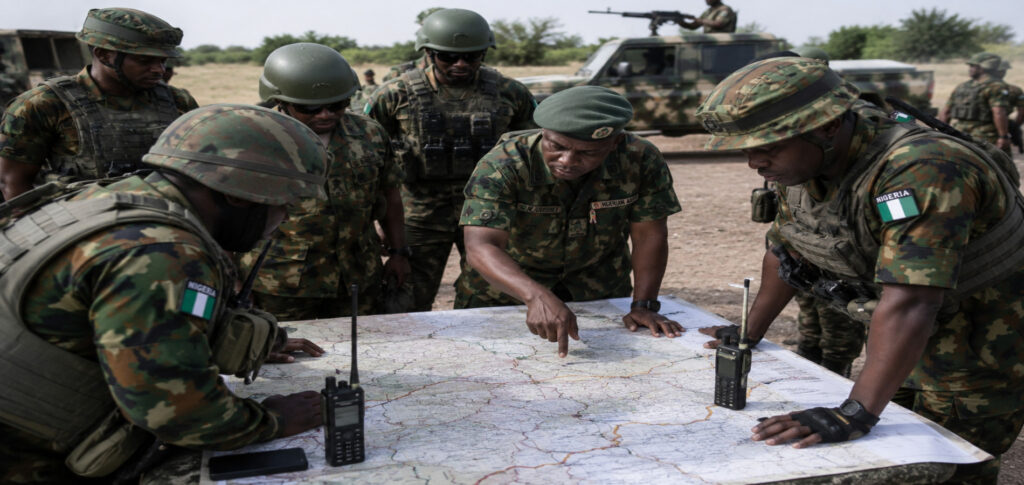
British troops have trained in Kenya for many years because the country’s vast training grounds and varied terrain provide realistic conditions for military exercises.
Based near Nanyuki, BATUK allows British and Kenyan forces to conduct joint training while strengthening defence cooperation between the two nations.
However, the presence of British troops has periodically sparked debate over legal accountability, local oversight and the treatment of Kenyan communities.
Kenya Calls for Greater Accountability
Kenyan lawmakers have increasingly questioned whether the current defence agreement provides sufficient legal protection when British soldiers are accused of committing offences while stationed in Kenya.
During parliamentary discussions, legislators argued that existing arrangements require stronger safeguards.
Officials also pointed to concerns regarding alleged human rights issues connected with BATUK, insisting that future defence cooperation should include clearer legal responsibilities for visiting forces.
These concerns have become a major obstacle in renewing military arrangements between the two countries.
UK Reaffirms Commitment to Partnership
Despite the cancelled exercise, the UK government says it remains committed to maintaining strong defence ties with Kenya.
Britain’s Ministry of Defence described the relationship as one built on mutual respect, shared security interests and long-term cooperation.
The ministry also acknowledged that challenges linked to Britain’s military presence have emerged over the years and expressed regret over past issues.
British officials continue to argue that joint military training benefits both countries by improving operational readiness and strengthening regional security.
Why the Cancellation Matters
The dispute reflects a broader challenge facing international military partnerships — balancing effective defence cooperation with the host country’s legal authority.
For Kenya, the priority is ensuring that foreign troops remain fully accountable under clear legal arrangements.
For Britain, Kenya remains one of its most important defence partners in East Africa and a strategic location for military training.
While the cancellation does not end the partnership, it signals that future military cooperation will likely depend on both countries reaching a new agreement on legal oversight and accountability.
What Happens Next?
Officials from both governments are expected to continue negotiations aimed at resolving their differences and preserving decades of military cooperation.
If an agreement is reached, future joint exercises could resume under updated legal arrangements. However, continued disagreements may force both nations to reconsider the structure of Britain’s long-established military presence in Kenya.
The cancellation of the planned exercise marks one of the clearest signs yet that UK-Kenya defence relations are entering a new phase, where accountability and legal jurisdiction will play a much larger role in shaping future cooperation.