
More than six decades after the Sharpeville massacre, survivors and victims’ families are seeking justice in South Africa.
The group announced a class action lawsuit against the government on Thursday. The case seeks compensation for those affected by the 1960 massacre.
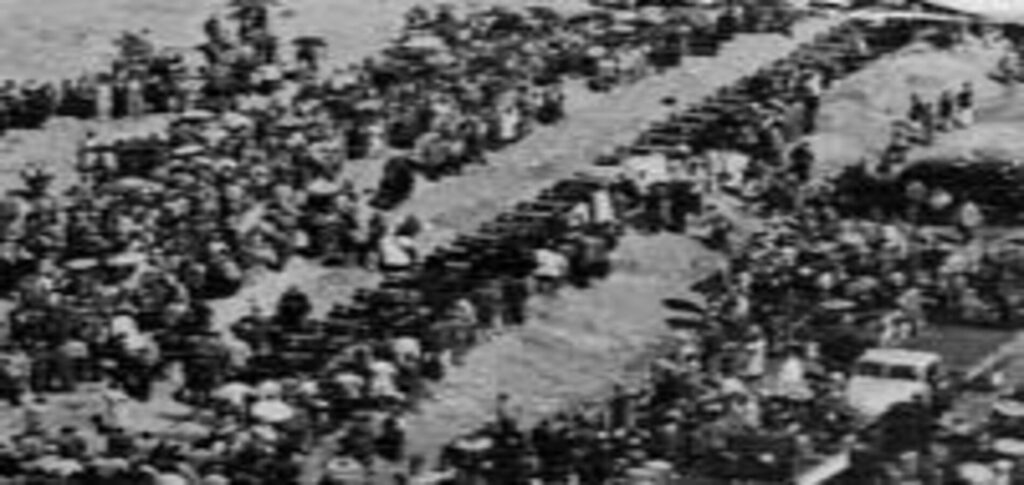
Apartheid police opened fire on an unarmed crowd in Sharpeville on March 21, 1960. The protesters had gathered to oppose South Africa’s discriminatory pass laws.
Official apartheid-era records listed 69 deaths and 180 injuries. However, research cited by the plaintiffs puts the death toll at at least 91. More than 238 people may have suffered injuries.
The massacre became a major turning point in South Africa’s struggle against apartheid. Today, the country marks March 21 as Human Rights Day.
Survivors seek justice
The legal action involves three representative plaintiffs. Lawyers for Human Rights are bringing the case on their behalf.
Abram Mofokeng is one of the plaintiffs. He was 20 years old when police shot him in the foot and back.
Now 87, Mofokeng still carries a bullet in his body.
He says the events of 1960 remain impossible to forget. The shooting, he explains, continues to affect his daily life.
Paulina Mathinye and Ishmael Poho are also representative plaintiffs. Both lost their fathers during the massacre.
More than 70 survivors and relatives have already shown interest in joining the case.
Why the lawsuit matters
The plaintiffs also want the court to strike down the 1961 Indemnity Act.
The apartheid government introduced the law after victims filed hundreds of claims. The legislation protected officials from legal liability and ended many compensation claims.
Around 258 people filed claims after the massacre. However, only about one-third received discretionary payments.
Those payments represented less than 4% of the total amount requested by claimants.
The new lawsuit argues that the Indemnity Act violates the constitutional right to access the courts.
If the court agrees, survivors and relatives could pursue their claims for damages.
Survivors remember the massacre
Before announcing the lawsuit, relatives of victims walked along the original protest route.
The silent walk gave families an opportunity to remember those who died.
For survivors, however, the case means more than financial compensation.
The plaintiffs say the massacre affected the entire Sharpeville community. They also believe the legal process could address gaps left by previous efforts to provide reparations.
South Africa’s Truth and Reconciliation Commission formally awarded reparations to only 51 Sharpeville survivors.
A wider push for accountability
The Sharpeville case comes as South Africa revisits other apartheid-era abuses.
Authorities have reopened inquests into several deaths linked to the anti-apartheid struggle. These cases include the deaths of Steve Biko, the Cradock Four and Chief Albert Luthuli.
Human rights lawyers say the new Sharpeville lawsuit represents unfinished business for modern South Africa.
The government had not responded to questions about the lawsuit at the time of publication.
For the survivors and families, the legal battle could become an important test of whether South Africa can confront unresolved injustices from its apartheid past.
The case also carries a broader message. The plaintiffs want recognition, accountability and compensation for people whose lives changed forever after the Sharpeville massacre.