
A Syrian man hid behind a wall for more than 13 years to avoid another arrest under the rule of former President Bashar al-Assad. His extraordinary story has resurfaced in Syrian and Arab media, revealing how fear shaped his life and separated him from his family.
Mohammad Zakour said security forces arrested him twice during the early years of the Syrian uprising. After his release, he learned that authorities could arrest him again. He then decided that disappearing was safer than risking a third detention.
Zakour Built His Own Hiding Place
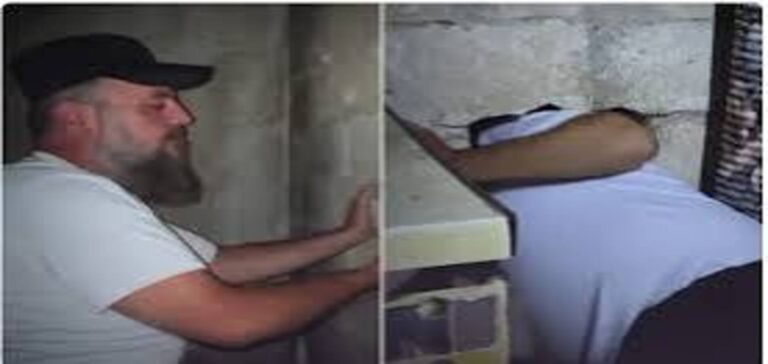
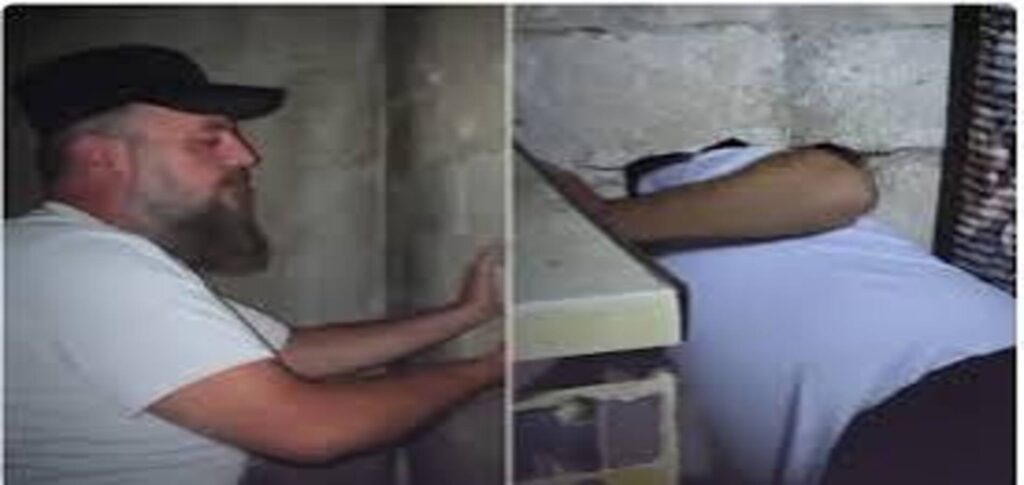
Zakour chose his grandfather’s home in Latakia as his hiding place. With his wife’s help, he built a wall that concealed a very narrow space inside the house.
The exact measurements differ slightly across published accounts. However, reports agree that the space was extremely small and that Zakour remained there for more than 13 years.
His wife became his only link to the outside world. She secretly brought him food, water, clothes and medicine through a small opening.
When Zakour became ill, he described his symptoms to his wife. She then consulted a doctor and returned with the required medication. He remained inside the hiding place rather than seeking medical care himself.
His Children Believed He Had Died
Perhaps the most painful part of the story involved Zakour’s children.
His wife kept his survival secret because she feared that the children could accidentally reveal his location. Over time, they grew up believing that their father had died.
According to published reports, Zakour’s brother, who lived in Turkey, even held a condolence gathering for him. Meanwhile, Zakour remained alive just a few metres away from his family.
Zakour could hear his children from behind the wall. He listened as they grew up, but he could not step out to see them.
As a result, he remained physically close to his family while being completely separated from their daily lives.
Assad’s Fall Ends 13 Years of Hiding
Zakour’s ordeal finally ended on December 8, 2024.
He said he heard people chanting outside the house at dawn. When he asked his wife what was happening, she told him that Assad’s government had fallen.
That news changed everything. Zakour realized that the danger that had forced him into hiding had changed, so he finally left his hiding place after more than 13 years.
The timing matches the collapse of Assad’s rule. Assad fled Syria on December 8, 2024, ending nearly 14 years of rule during a devastating civil war.
Family Discovers Their Father Is Alive
Zakour’s return created another extraordinary moment.
His wife asked the children to move a refrigerator that stood in front of the opening to his hiding place. She then told them that their father was still alive.
At first, the children struggled to believe her. Then Zakour emerged from behind the wall.
After more than a decade of believing they had lost their father, they finally saw him alive. Published accounts describe the reunion as a deeply emotional moment for Zakour and his children.
A Story of Fear and Survival
Zakour’s account offers a personal view of the fear experienced by some Syrians during years of conflict and repression. His decision to remain hidden for more than 13 years came after two arrests and a warning that another detention could follow.
His story also shows the enormous personal cost of living under constant fear. He survived, but he missed much of his children’s childhood while living inside a space hidden within his own family home.
For Zakour, the fall of Assad’s government finally brought an end to that secret life.