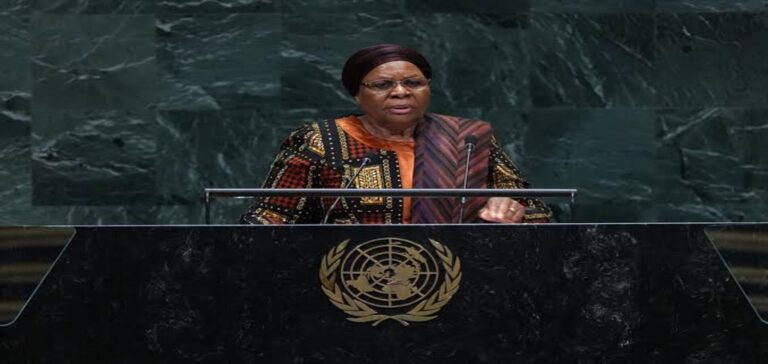


Oil prices fall as traders see signs of stronger Gulf supplies and renewed hopes for a diplomatic solution to the US-Iran war. Meanwhile, markets are watching talks linked to the United Nations General Assembly in New York.
Brent crude futures slipped 7 cents, or 0.07%, to $99.18 a barrel at 0119 GMT. West Texas Intermediate crude fell 35 cents, or 0.39%, to $90.17 a barrel.
US-Iran Talks Support Market Optimism
The latest price move follows mixed signals from US President Donald Trump. Trump warned on Tuesday that the United States could take severe military action against Iran. However, he also said his envoys, Steve Witkoff and Jared Kushner, held productive discussions with Iranian mediators.
Trump said he saw “a lot of momentum” toward a possible deal.
As a result, traders have started to price in the possibility of renewed diplomacy. The UN General Assembly in New York has also increased attention on potential US-Iran discussions. Reuters reported that Trump later said talks with Iran were continuing and that he expected a settlement to be reached.
Saudi Arabia Restarts Key Oil Pipeline
Supply expectations have also improved. Saudi Arabia restarted its East-West oil pipeline after a shutdown caused by drone attacks on September 11.
The pipeline can move about 7 million barrels per day. Before the disruption, Riyadh used it to reroute roughly 4 million barrels per day to the Red Sea port of Yanbu. That volume represents about 4% of global oil supply.
However, the restart is still running at a reduced rate. Sources told Reuters that reaching normal pumping levels could take several weeks because three pumping stations suffered damage. Saudi Aramco also prepared to resume crude shipments from Yanbu.
At the same time, Saudi Arabia has increased crude movements through other routes. Trade sources said Aramco plans to export about 60 million barrels from Ras Tanura during September and October, using ship-to-ship transfers near Oman.
Iraq Adds More Crude to Global Markets
Iraq is also working to increase exports. Oil Minister Basim Mohammed said the country is currently exporting more than 3 million barrels per day.
Furthermore, Iraq expects exports through Turkey to rise above 600,000 barrels per day. Recent shipping data showed Iraqi crude exports increased from July levels, although they remained below pre-war volumes.
These additional barrels could provide some relief to a market still facing major disruptions across the Middle East.
US Oil Inventories Add Pressure
US inventory data also weighed on crude prices. Industry figures showed US crude inventories increased by about 1.8 million barrels during the week ending September 18.
The build came as analysts had expected inventories to decline. Official figures from the US Energy Information Administration were due later in the day.
Because of this combination of stronger supply expectations and diplomatic hopes, traders have reduced some of the risk premium built into crude prices.
However, the market remains highly sensitive to developments around Iran, Saudi Arabia and the Strait of Hormuz. Reuters reported that oil prices had already fallen below $100 as traders responded to improved Middle Eastern supply prospects.
Oil Market Still Faces Major Risks
Despite the recent decline, the outlook remains uncertain. The Strait of Hormuz continues to face disruption, while attacks on regional energy infrastructure could quickly reduce available supplies.
In addition, any breakdown in US-Iran diplomacy could revive fears of a wider conflict. That possibility could push crude prices higher again.
For now, however, markets are focusing on two developments: rising Gulf oil flows and the possibility of renewed US-Iran negotiations.