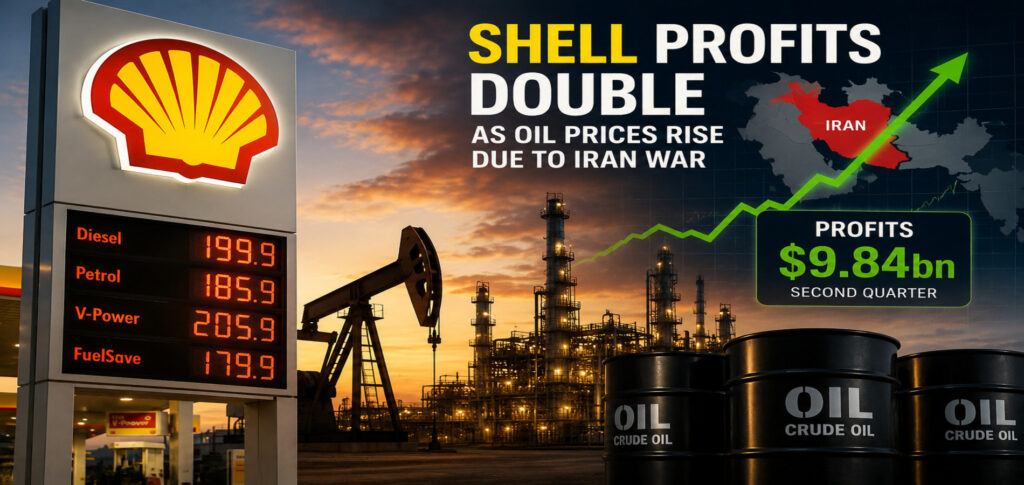

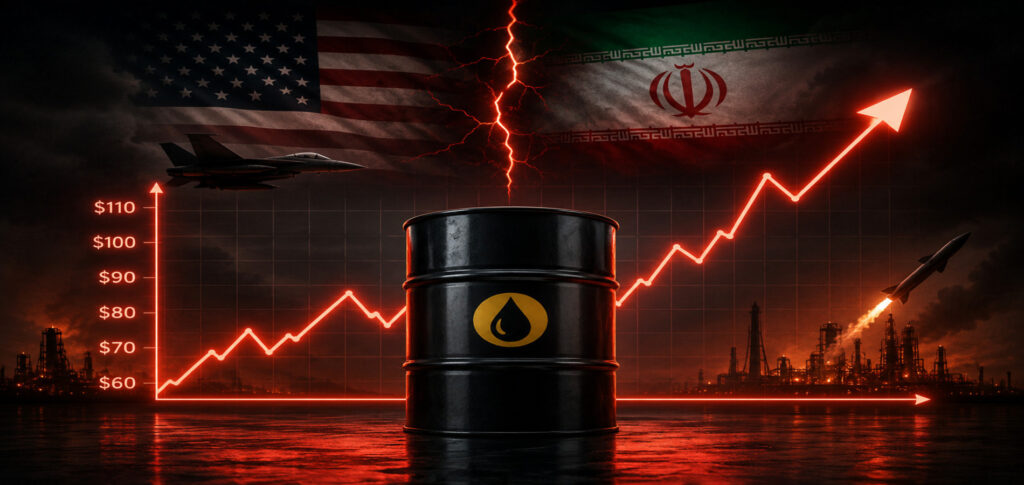
Oil Prices Surge after renewed military tensions between the United States and Iran raised fresh concerns about global energy supplies and vital shipping routes. Investors pushed crude prices higher as fears grew that the conflict could disrupt oil exports and tighten supplies across international markets.
The latest rally followed another round of US airstrikes on Iranian targets and reports that Tehran could retaliate by threatening key maritime routes used to transport oil worldwide. The renewed uncertainty drove investors toward the energy market, giving crude its strongest weekly performance in months.
Oil Prices Surge After US-Iran Escalation
Brent crude futures climbed to $84.93 per barrel, while US West Texas Intermediate (WTI) crude rose to $79.76 per barrel during early trading.
Both benchmarks have gained around 12 percent this week as traders reacted to concerns that continued fighting in the Gulf region could disrupt exports and reduce global supply. Analysts said geopolitical tensions now play a major role in market sentiment and price movements.
Military Conflict Keeps Energy Markets on Edge
The United States carried out another series of strikes along Iran’s southern coastline, adding fresh pressure to energy markets. US Central Command said the operation marked the sixth consecutive night of military action.
Iran responded by launching attacks against regional targets, increasing fears that the confrontation could spread across the Middle East and threaten critical energy infrastructure. As a result, uncertainty continues to dominate global commodity markets.
Strait of Hormuz and Red Sea Remain in Focus
The Strait of Hormuz remains at the centre of market concerns. A significant share of the world’s oil exports passes through the narrow waterway every day, making it one of the most strategically important shipping routes.
Meanwhile, reports indicate that Iran has instructed its Houthi allies to prepare for possible operations in the Red Sea if the United States launches additional strikes on Iranian infrastructure.
Any disruption to either route could delay shipments, increase transport costs, and place further upward pressure on oil prices.
International Energy Agency Warns of Ongoing Risks
International Energy Agency Executive Director Fatih Birol warned that energy markets remain vulnerable while the conflict continues.
He said the current situation poses a serious risk to global energy security and cautioned that prolonged instability could create wider economic challenges if tensions continue. Energy analysts believe uncertainty will remain high until both sides show meaningful progress toward diplomacy.
Investors Continue to Watch Developments
Financial markets remain highly sensitive to every new development in the Middle East.
Further escalation between Washington and Tehran could drive crude prices even higher. On the other hand, renewed diplomatic talks could calm investor sentiment, stabilize markets, and ease concerns over future oil supplies.
For now, uncertainty continues to dominate global energy markets, keeping oil prices elevated while traders closely monitor military and diplomatic developments across the region.