

Africa could lose up to $20 billion as the Africa Super El Niño threatens agriculture, food security, infrastructure, and economic growth, according to the African Development Bank (AfDB).
The bank warned that governments should prepare for severe droughts, floods, and rising food prices. Officials also urged countries to strengthen climate resilience before the weather event intensifies.
Africa Super El Niño Threatens Agriculture
The African Development Bank said the developing weather phenomenon could become one of Africa’s costliest climate disasters in recent years.
Experts believe millions of people could face food shortages, water scarcity, and lower agricultural production. Several countries are already experiencing unpredictable rainfall and prolonged dry spells.
Agriculture remains one of Africa’s largest economic sectors. Crop failures caused by drought and extreme heat could reduce harvests of maize, wheat, rice, and other staple foods.
Livestock farmers may also struggle as grazing land shrinks and water becomes harder to access.
Food Prices Could Increase
Lower agricultural output is expected to push food prices higher across many African countries.
Higher prices would place additional pressure on households already struggling with inflation and rising living costs.
The AfDB warned that vulnerable communities would likely suffer the greatest impact.
Energy Supplies Could Face Disruption
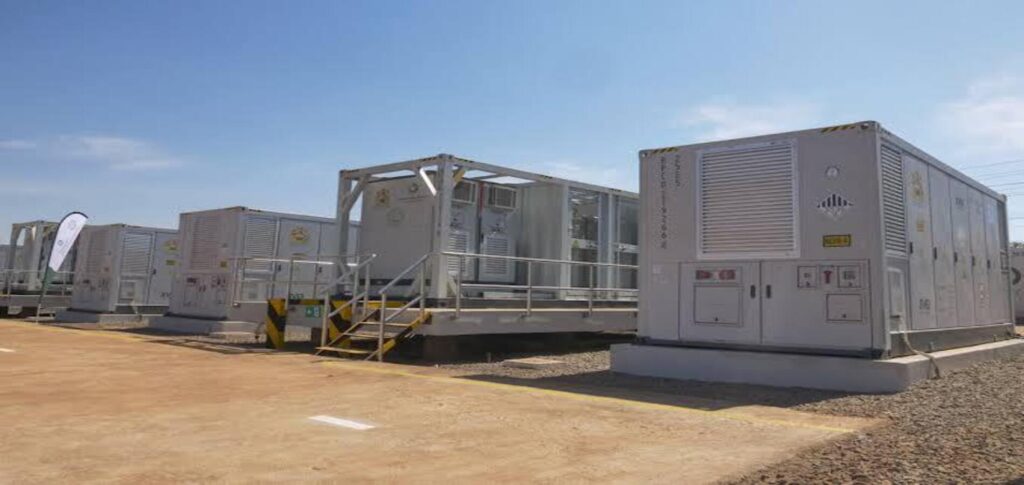
The Africa Super El Niño could also affect electricity production.
Countries that depend on hydroelectric power may generate less electricity as reservoirs and rivers lose water. At the same time, heavy rainfall in other regions could trigger floods that damage roads, bridges, and other public infrastructure.
AfDB Urges Immediate Climate Action
The African Development Bank called on governments to invest in climate-resilient infrastructure, modern irrigation systems, early warning networks, and disaster preparedness.
The bank believes these measures can reduce future economic losses and protect communities from extreme weather.
The Africa Super El Niño warning highlights the growing financial risks of climate change across the continent.
Experts say stronger planning, resilient infrastructure, and coordinated action will help African countries reduce economic losses and better protect lives and livelihoods.